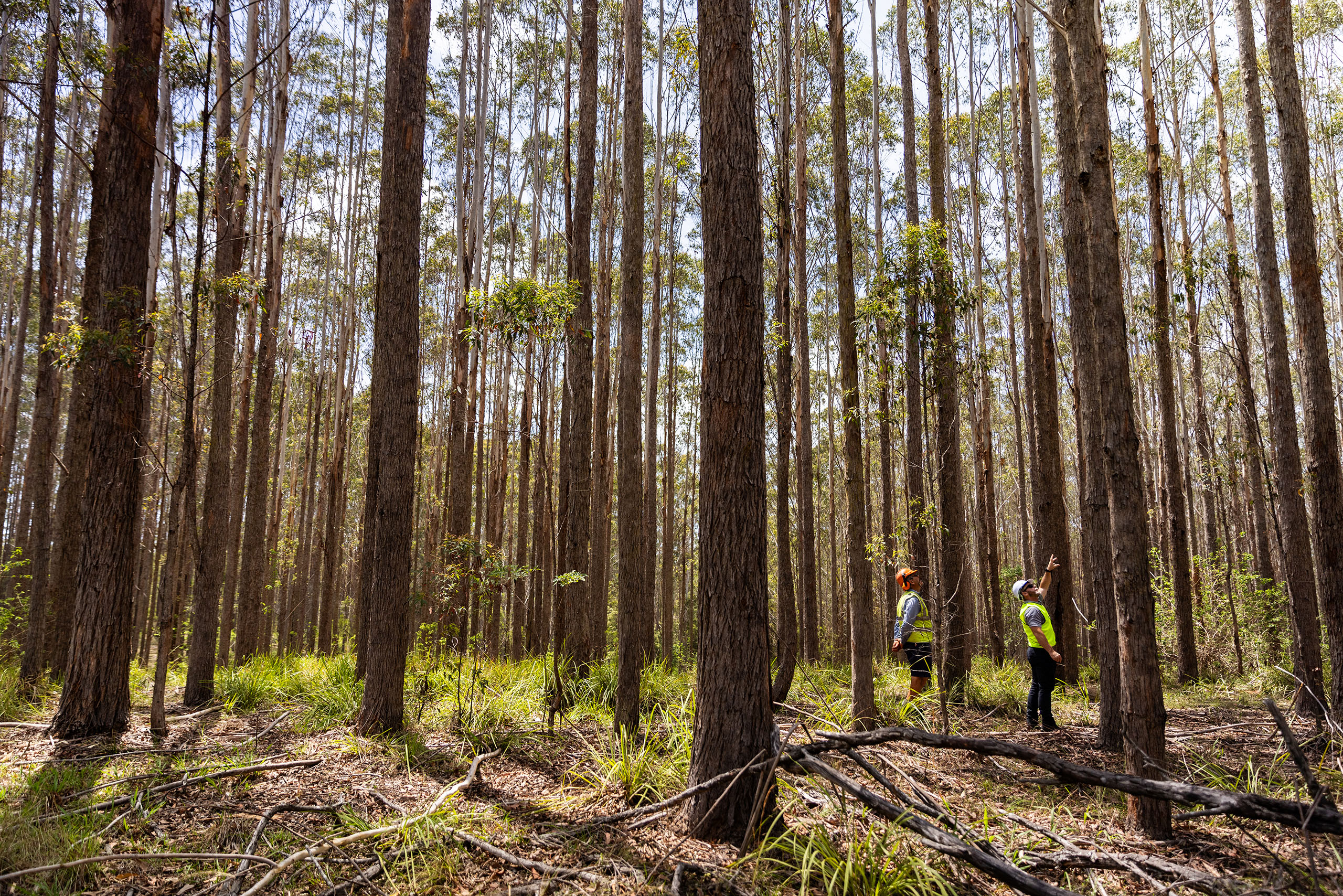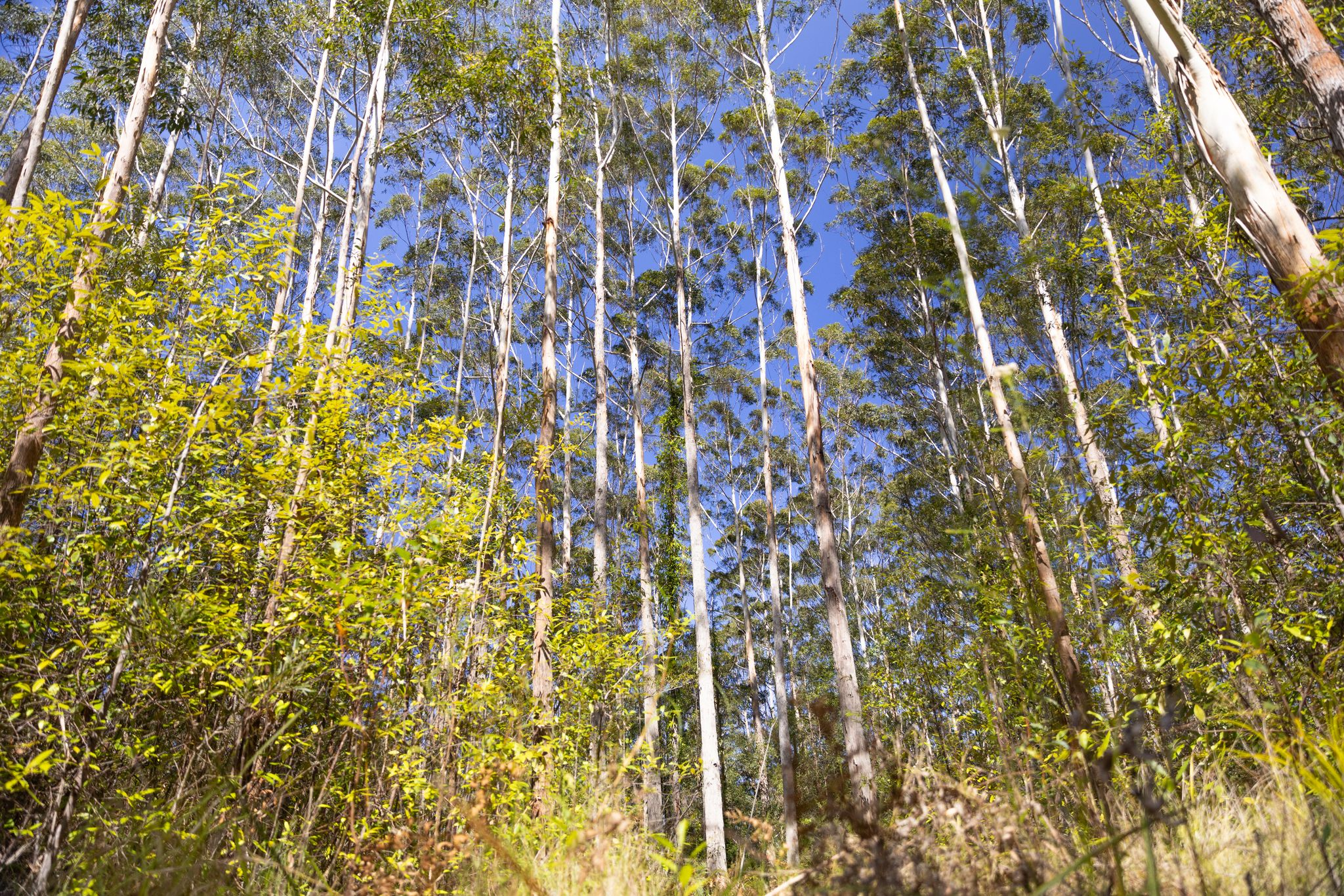
The NSW North Coast comprises approximately 9.7 million hectares, around two-thirds of which is forested. More than half of this forest is privately owned and spread across thousands of individual landholdings.
The forests of Northern New South Wales extend across the coastal and tablelands landscapes of the Mid Coast, Mid North Coast and Northern Rivers. Across these regions, differences in rainfall, soil, elevation, topography and climate create varied forest environments, ranging from tall, moist hardwood forests to drier mixed hardwood forests.
These private forests are important for biodiversity, water quality, carbon storage, regional employment and the sustainable production of timber. For landowners, understanding their forest type is the first step towards managing it as a healthy, productive and valuable long-term asset.
Understanding NSW North Coast Forest Types
Between the coast and tablelands and across the areas in which we operate, forest types vary considerably, extending from Bulahdelah through the Mid North Coast and Northern Rivers to the Queensland border.
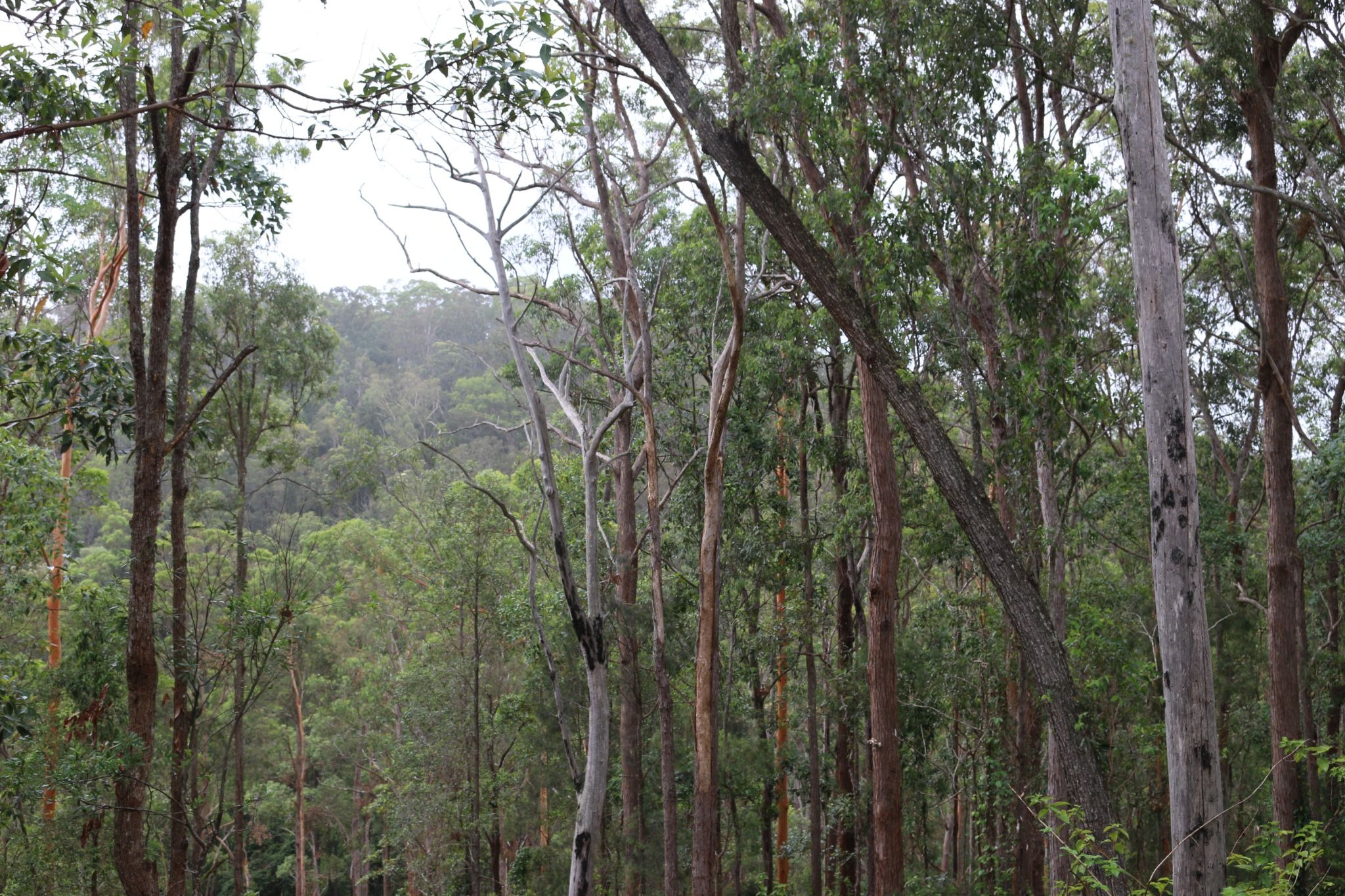
Coastal forests are influenced by warmer temperatures, maritime conditions and, in many locations, higher rainfall. Further inland and towards the tablelands, changes in elevation, temperature, soil and rainfall produce different species combinations and forest structures.
These variations can occur within a single property. It is not uncommon to find a dry ridge supporting an entirely different mix of species from a sheltered slope or moist valley.
The key regions in which we operate can be broadly classified according to their main productive native forest types. Although the Mid North Coast and Northern Rivers share some of the same forest types, their prevalence and timber volumes differ significantly.
The main forest types in each region are listed below in approximate order of prevalence:
Mid North Coast
- Blackbutt
- Spotted Gum
- Dry Mixed Hardwood
- Moist Mixed Hardwood
Northern Rivers
- Dry Mixed Hardwood
- Spotted Gum
See Our Guide to Northern NSW Trees for further images on each forest type
Why the Mid North Coast Is So Productive
The Mid North Coast has some of the best natural conditions for growing productive native hardwood forests in Northern NSW.
Its combination of reliable rainfall, favourable temperatures and generally productive soils allows many hardwood species to establish successfully and grow consistently. These conditions are particularly well suited to Blackbutt, which is far more prevalent on the Mid North Coast than in the Northern Rivers.
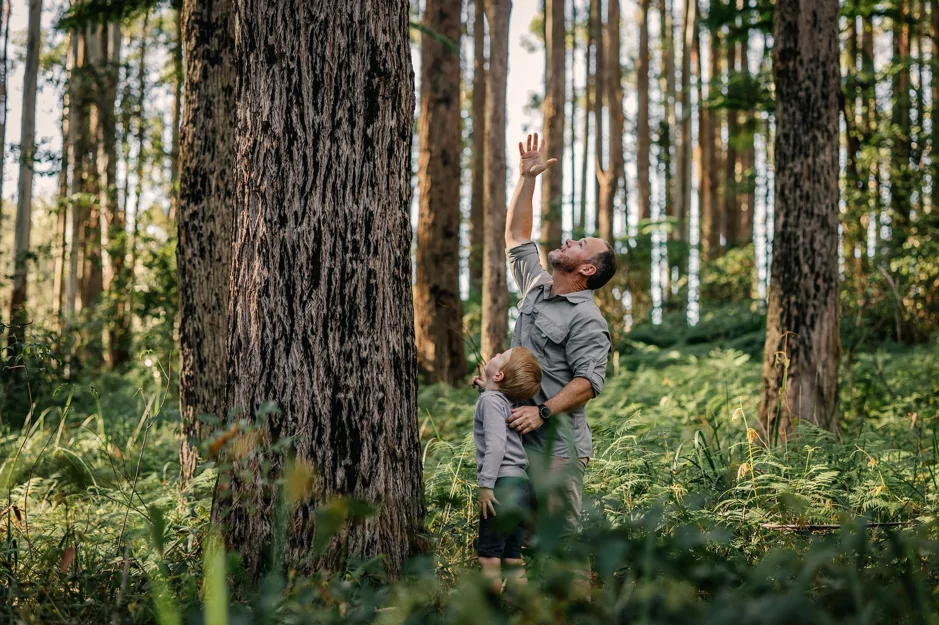
- Blackbutt Forest
Blackbutt is one of the Mid North Coast’s most important and productive native forest types.
It is a resilient and regenerative species that generally performs well under the region’s conditions. Healthy Blackbutt has many of the qualities sought in a productive working forest, including comparatively fast growth, strong regeneration potential and the ability to develop into tall, straight trees suitable for high-value timber products.
Blackbutt requires good access to sunlight. Appropriate tree spacing and canopy management can reduce competition and provide healthy retained trees with greater access to light, moisture and soil nutrients.
When managed responsibly, harvesting can also create suitable conditions for regeneration and the next generation of forest growth.
- Spotted Gum Forest
Spotted Gum forest also occurs on the Mid North Coast, particularly on drier sites. Like Blackbutt, it can form relatively pure stands or grow alongside a range of other hardwood species.
Spotted Gum is resilient and able to regenerate from seed, lignotubers or coppice growth. Its ability to grow across a range of conditions makes it an important productive forest type throughout northern NSW.
- Dry Mixed Hardwood
Dry Mixed Hardwood can contain a diverse combination of species, including:
- Tallowwood
- Ironbark
- White Mahogany
- Grey Gum
- Grey Box
These species may also grow alongside or near Blackbutt and Spotted Gum forests. Dry Mixed Hardwood is commonly found on well-drained sites, exposed ridges and warmer north- or west-facing slopes.
- Moist Mixed Hardwood
Further inland on the Mid North Coast, forests often transition into Moist Mixed Hardwood.
This forest type commonly contains Tallowwood, Brush Box and Blue Gum. It is generally found where moisture, rainfall, soil and topography support taller forest growth, including protected slopes and gullies.
Most mixed Hardwood forests are often uneven-aged, containing trees at different stages of development. They may also feature a denser understorey or rainforest-influenced vegetation in particularly moist locations.
Forest Types of the Northern Rivers
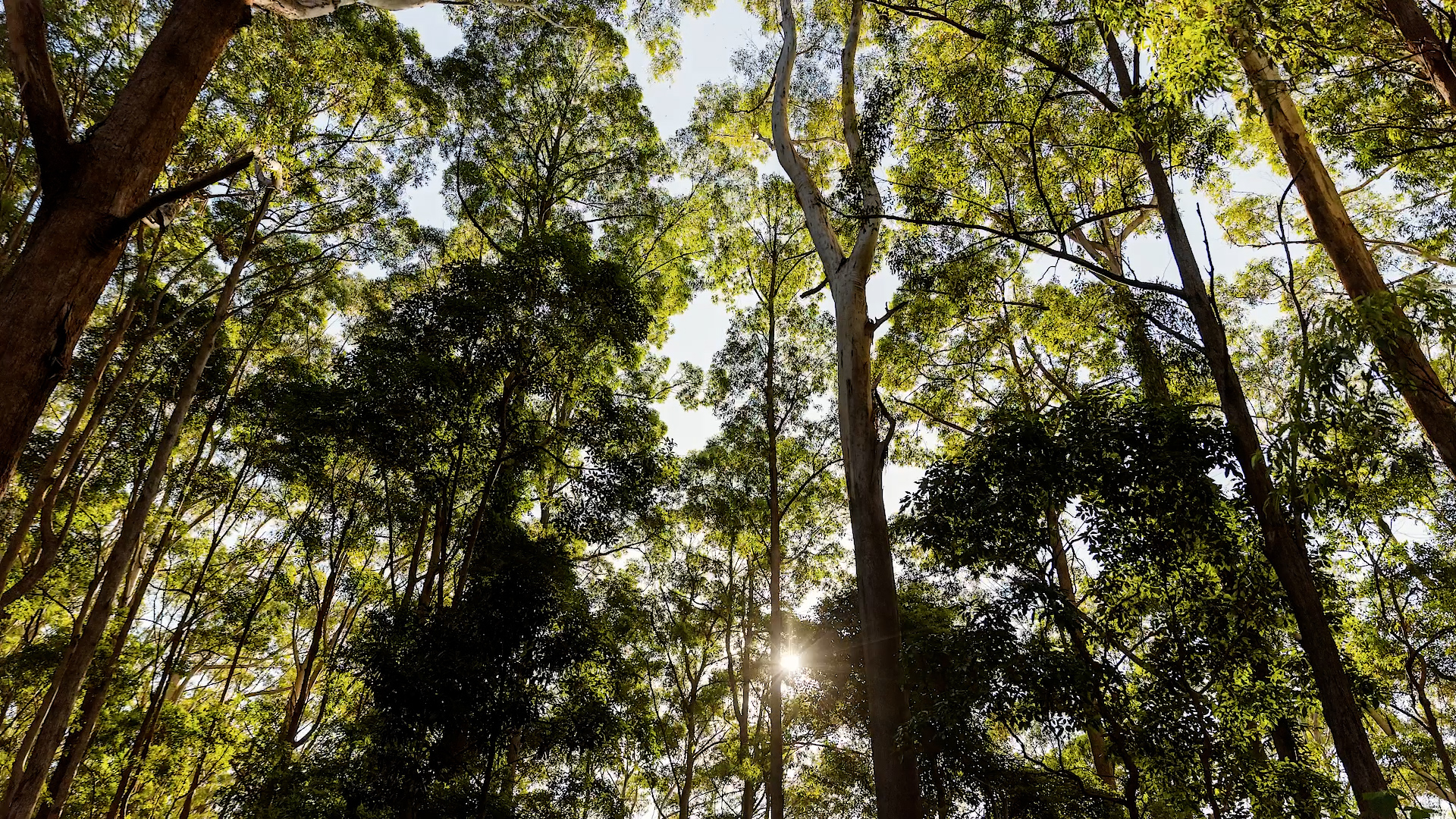
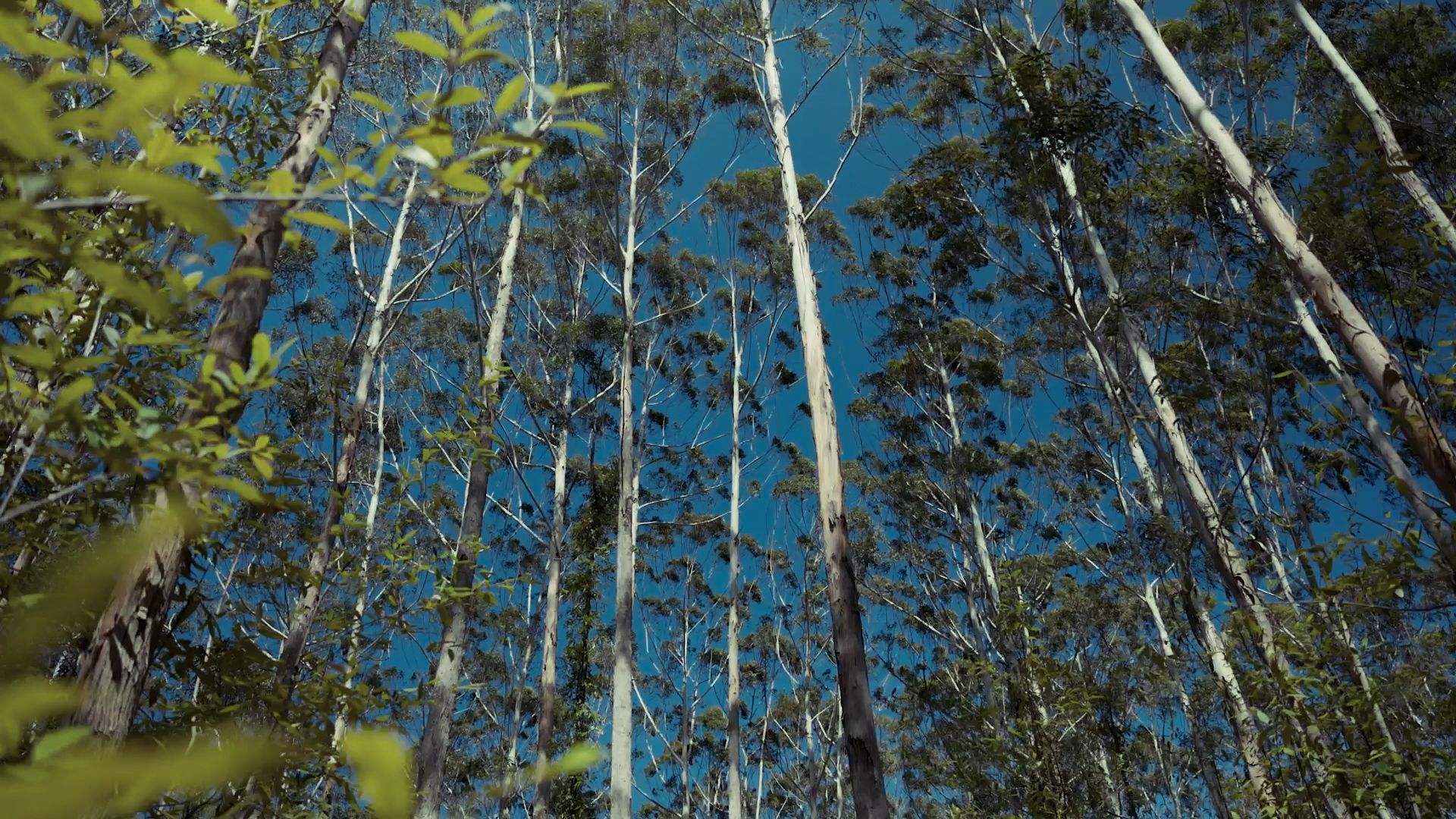
In comparison, the productive native forests of the Northern Rivers are predominantly Spotted Gum and Dry Mixed Hardwood.
Despite the region’s broader subtropical identity, conditions vary considerably. Areas around Grafton and Casino, and further west can experience lower rainfall, poorer soils and rockier ground than many Mid North Coast locations. As a result, trees in these areas often grow far more slowly.
- Spotted Gum in the Northern Rivers
Spotted Gum shares several characteristics with Blackbutt. Both can produce valuable hardwood timber, occur in relatively pure stands and respond well to carefully planned forest management.
However, Spotted Gum forests in the Northern Rivers are often growing under more challenging conditions than Blackbutt forests on the Mid North Coast. Lower rainfall, shallower soils and rocky terrain can limit growth rates and extend the time required for trees to reach commercial size.
This does not mean these forests are unproductive. It means management strategies, harvest cycles and landowner expectations need to reflect the forest’s actual growing conditions.
Mapping the North Coast’s Forests
The Department of Primary Industries Forestry Research team classified approximately 5.3 million hectares of North Coast native forest into ten broad forest types across both public and private land.
The Forest Yield Association Map below illustrates how these forest types are distributed across the North Coast’s coastal, hinterland and tablelands landscapes.
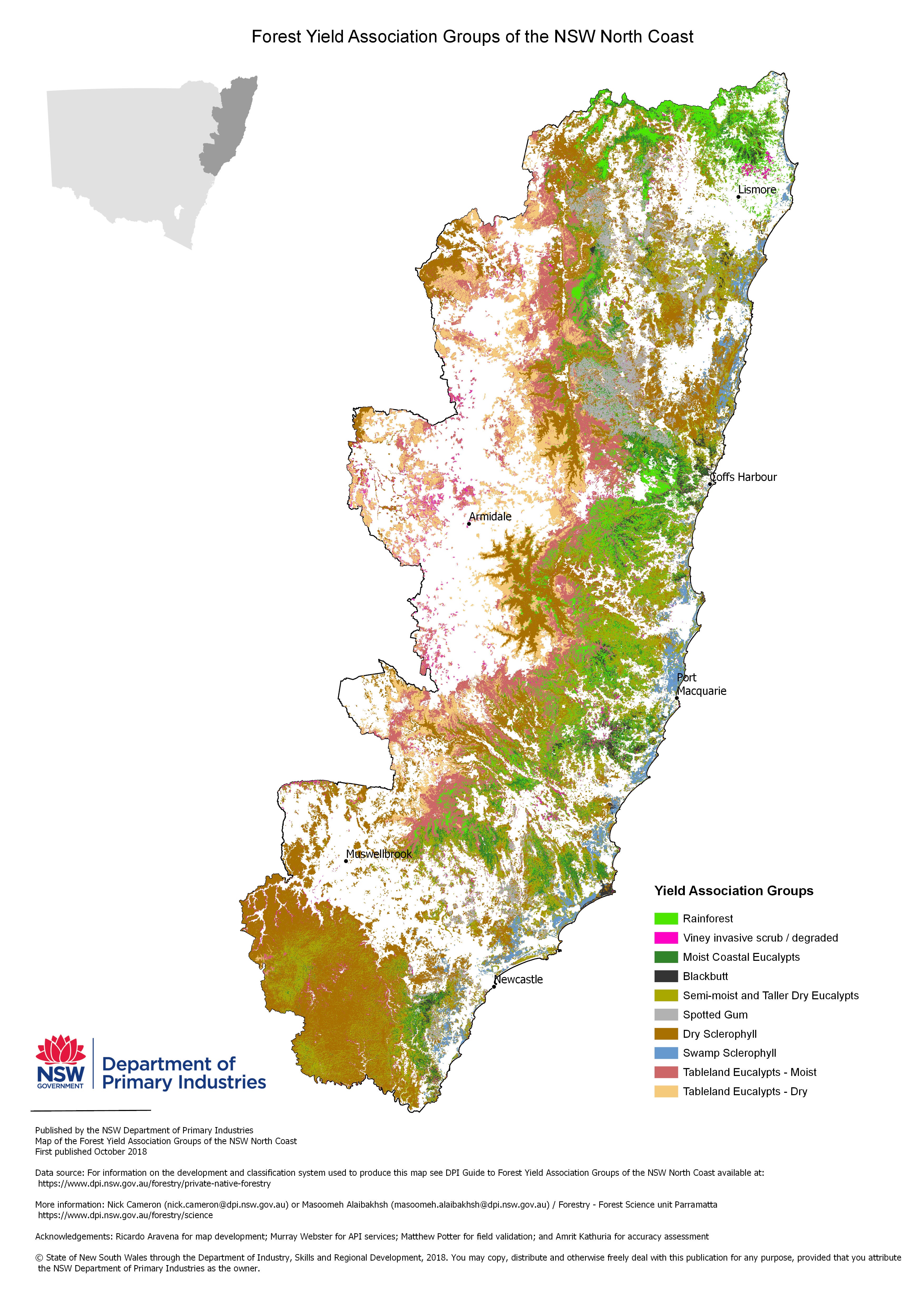
DPI Forest Yield Association Map 2018 showing the mix of classified forest types across the Northern NSW region, spanning the Mid Coast, Mid North Coast, Northern Rivers and tablelands.
While regional mapping provides a valuable overview, it cannot replace an on-ground assessment. Forest types do not follow property boundaries, and several types can occur within one landholding as soil, elevation, slope and aspect change.
Every Property Is Different
Regional classifications provide a valuable starting point, but every forest should be assessed individually.
Forest type, tree species, age structure, past harvesting, fire history, soil, slope and rainfall all influence how a forest should be managed. A single property may contain several forest types as conditions change from ridge to gully.
Correct forest identification allows landowners to make better decisions about tree retention, harvesting, regeneration and future productivity.
At Sustainable Forest Management, we help landowners across the Mid North Coast and Northern Rivers understand what is growing on their land and how it can be managed for long-term forest health, productivity and value.
For a free no obligation forest assessment contact Siman and the team at Sustainable Forest Management on 1800 367 378 or email [email protected].
Sustainable Forest Management operates across the Mid North Coast and Northern Rivers regions of New South Wales.
Read more in our Landholders Guide to Private Native Forestry and our Guide to Northern NSW Trees.