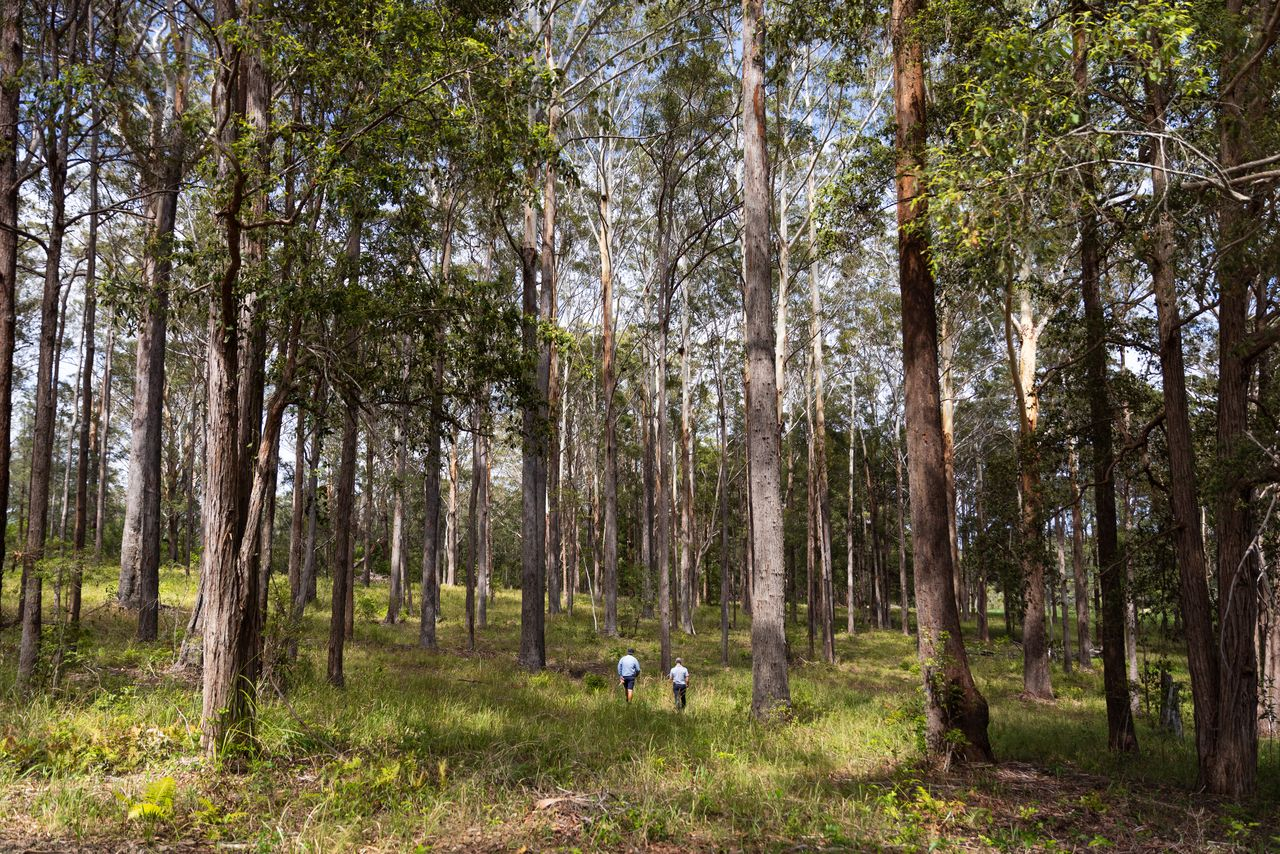
The Mid North Coast NSW is one of Australia’s most important regions for sustainable forestry and timber production, supplying high-value hardwood products like power poles to the national grid.
And at the centre of it all sits Grafton. Best known for its jacaranda-lined streets, its iconic Fig Tree Avenue, home to 17 National Trust-listed giant fig trees and its rich history, Grafton is also home to a critical piece of Australia’s infrastructure supply chain: Koppers Wood Products, Australia’s leading manufacturer of timber power poles. Located in the Northern Rivers region of New South Wales, Grafton plays a vital role in Australia’s infrastructure, processing timber sourced from across the Mid North Coast and beyond.
For landowners, understanding how sustainable forest management works and where the timber industry is heading has never been more important.
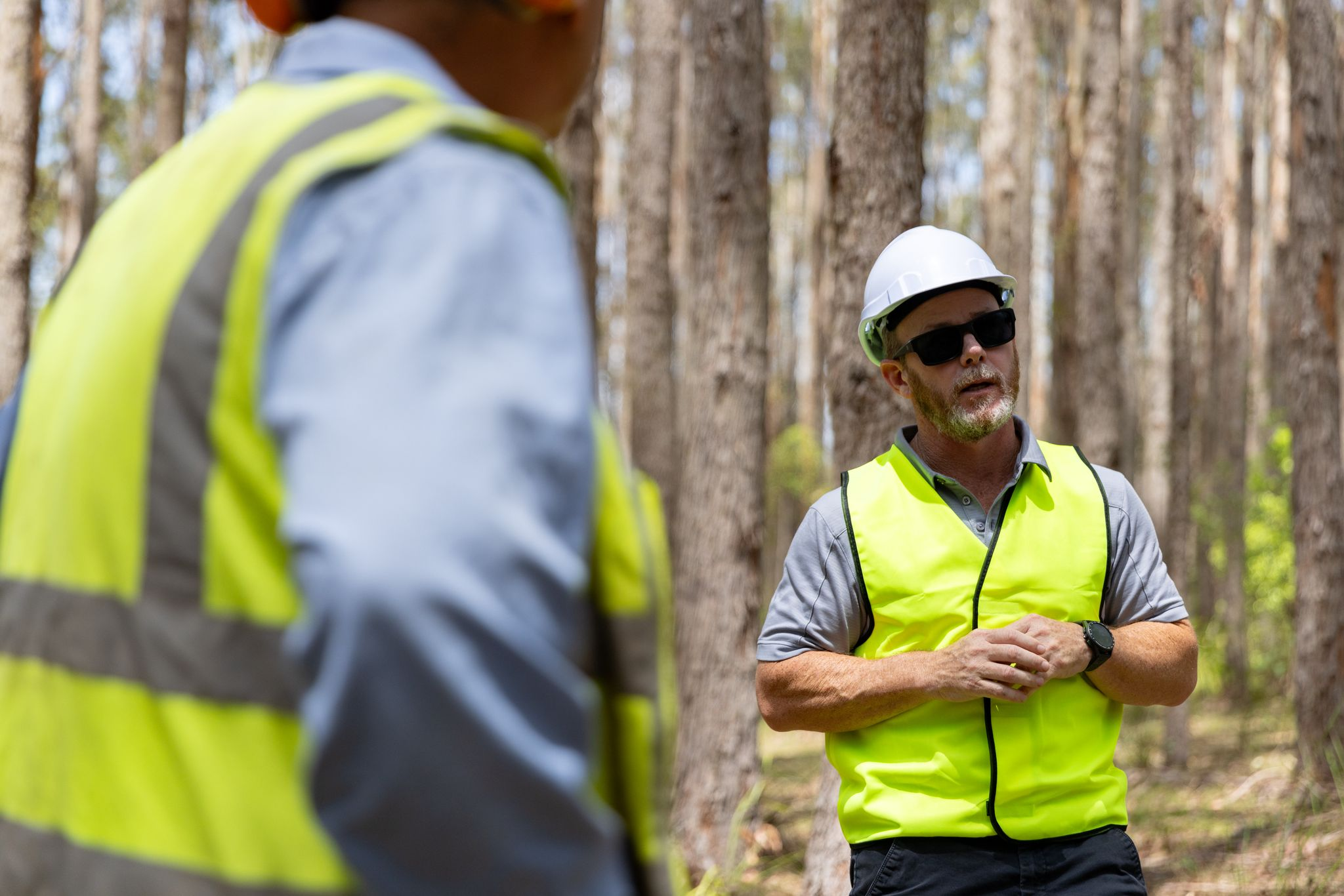
That’s why we sat down with Rhys Riddell, Procurement Forester for Koppers Wood Products in Australia, to get a real, on-the-ground perspective.
Who is Koppers and what’s your role in the timber industry?
Koppers Wood Products (KWP) is Australia’s leading manufacturer of utility timber power poles. The company was established in 1967 as a joint venture between Koppers Company, Inc. (KCI) and the Broken Hill Proprietary Company Limited (BHP).
Nearly 60 years later, KWP operates four major production sites across Australia located in Grafton, Takura (Hervey Bay), Longford, and Bunbury, with the Grafton plant being the largest. Each site employs over 30 staff and operates with a high degree of independence, responding to regional customer demand. KWP utilises both hardwood and softwood resources depending on site capabilities and requirements.
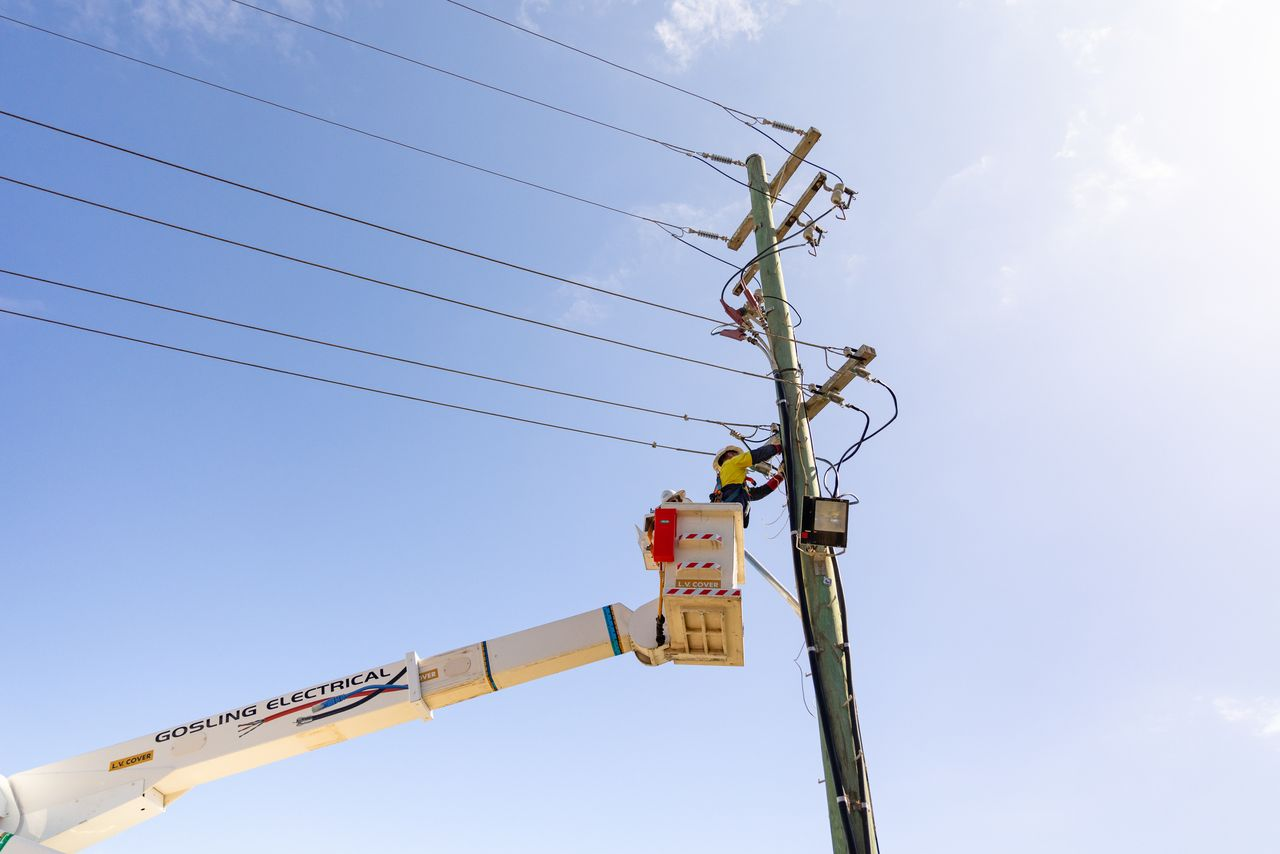
KWP plays a critical role in supplying essential infrastructure materials, particularly utility poles used in electricity and telecommunications networks across Australia.My role is focused on sourcing raw timber resources from both private landholders and state-owned forests. This involves identifying suitable supply, managing relationships with landowners and forestry bodies, and ensuring a consistent flow of raw material to support production across KWP’s operations.
“Koppers Wood Products is the largest and leading manufacture of utility timber power poles in Australia”.
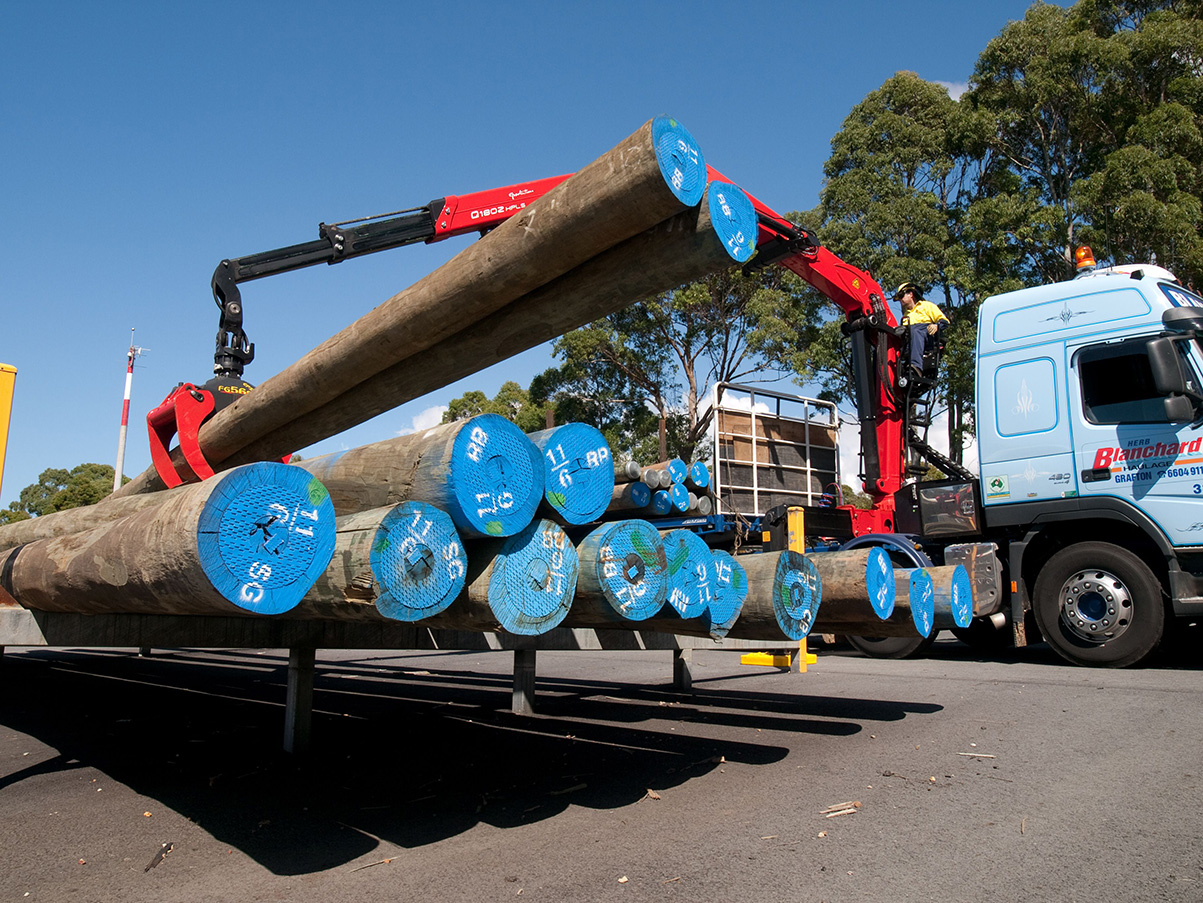
How is Koppers involved in the Sustainable Forest Management value chain?
Koppers Wood Products (KWP) plays an active and supportive role in the Sustainable Forest Management (SFM) process by working closely with contractors, landowners, and forestry partners to maximise both sustainability and value.
A key point of difference is that KWP is the only business in Australia with the capability to certify contractors to Australian Standards for utility poles. Through this certification, along with ongoing on-ground support and training, KWP helps contractors confidently identify and harvest pole-quality timber. By simplifying decision-making in the field, this approach contributes to increased pole recovery and overall resource efficiency.
KWP’s collaboration with SFM is central to this process. SFM actively encourages its network of contractors to engage with KWP’s expertise and services, recognising the value this brings to sustainable harvesting outcomes.
From a silvicultural perspective, poles represent the highest-value end product within many harvesting operations. By incorporating pole production into forest management practices, landowners can achieve stronger financial returns while maintaining long-term forest productivity. This approach supports a sustainable harvesting model, where current operations also contribute to the development of future harvests.
How is a harvested tree transformed into a utility pole at Koppers?
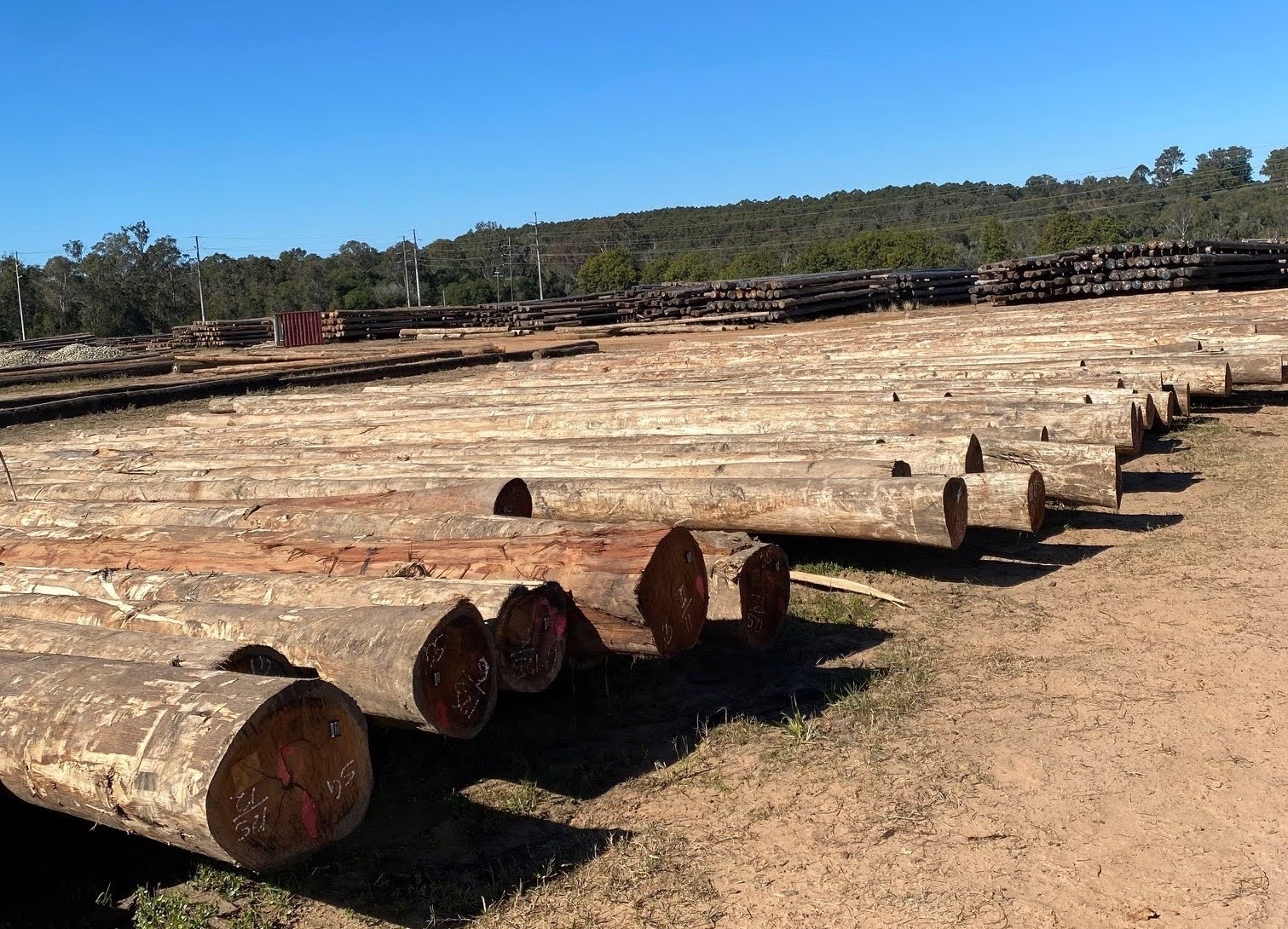
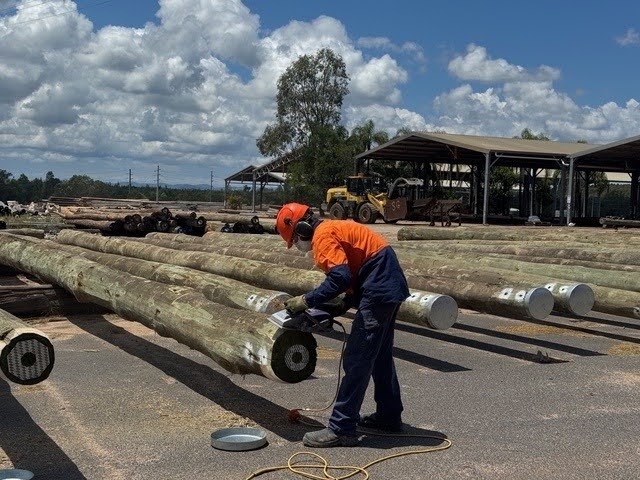
- Delivery: Poles arrive at the yard, are unloaded onto skid logs, checked against documentation, and tagged with a unique barcode.
- Sorting & Stacking: Each pole is scanned (length, size, species) and stacked into the correct category.
- Air Seasoning: Poles are left to dry naturally for around 12 weeks to reduce moisture.
- Dressing: Poles are shaped and smoothed, with limbs trimmed and ends reinforced to prevent splitting.
- Treatment Preparation: Poles are loaded onto rail bogeys and moved to the treatment cylinder.
- Preservative Treatment: Poles are treated with CCA, protecting against termites and decay, providing durability in ground.
- Drying & Fixation: Treated poles are stored for at least 7 days to allow the treatment to set.
- Dispatch: Poles are loaded onto trucks and delivered for installation in the utility network.
“KWP are the only pole manufacturing business that is Chain of Custody certified and this process allows us to trace every single pole back to its source of origin. This also protects us from illegal logging ensuring that timber procured for our sites comes from approved sources”.
How does your approach to sustainable forest management influence your product innovation?
At Koppers, sustainable forest management underpins everything we do. We see it as essential to ensuring the long-term viability of the timber industry. Utility poles play an important role in shaping forests for the future. By selectively harvesting pole-quality trees, we create space for remaining trees to grow and mature, supporting healthier and more productive forests over time. This approach not only delivers immediate value but also contributes to future harvest cycles.
Our understanding of pole specifications and market demand, including piling applications, allows us to align harvesting practices with long-term forest outcomes. By maximising the value of each harvest and supporting silvicultural objectives, we help landowners and forest managers maintain both economic and environmental sustainability.
What does innovation mean at Koppers, and what differentiates you from competitors?
At Koppers, innovation is about our commitment to “Lead the Way” in how we operate, partner, and deliver value. This is reflected in both operational improvements and product development, including innovations such as sourcing digital signing platforms to speed up our paperwork, working with Third party training solutions to gain endorsement to our training programs, exploring Drone surveys and utilising hybrid timber/steel sleeved poles all set us apart from our competition.
What Makes Koppers Successful – and What’s Ahead
Koppers’ success is built on a foundation of loyalty and trust. It’s an unwritten mantra that has defined the business for decades, and one that is consistently reflected in the feedback from those who work with us.
Internally, Koppers is a business people are proud to be part of. There’s a real sense of achievement in seeing operations come to life each day, from loads arriving at the gate through to finished poles leaving for critical infrastructure projects across the country.
A key strength of Koppers is our ability to adapt and evolve. Our longevity in the industry is a testament to this, and it’s what gives us confidence moving forward. With a number of exciting projects on the horizon, we see a strong and sustainable future ahead.
Challenges Facing the Industry – and How We’re Responding
One of the biggest challenges facing both Koppers and our customers is simple: demand is outpacing supply. Utility providers are calling for more poles than the industry can currently produce, while at the same time, access to sustainable timber resources is becoming increasingly constrained.
This pressure is being felt across the entire Australian timber industry. Ongoing reductions in available harvesting areas, combined with growing demand for timber products, are creating a real risk that Australia may need to rely more heavily on imported timber, often from countries with less rigorous environmental standards.
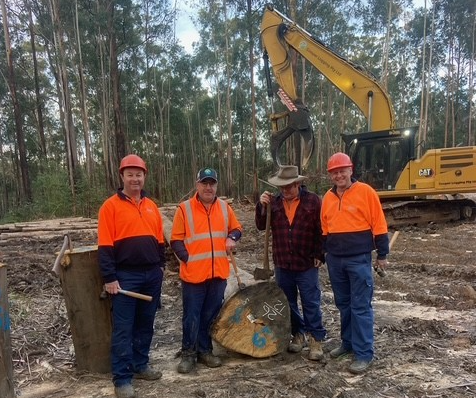
At Koppers, we’re focused on being part of the solution. We’re continually seeking out new supply opportunities, working closely with private landowners, state forests, and contractors to unlock additional resources. At the same time, we’re improving how we operate, supporting contractors through training and certification, and exploring new technologies like drone surveys to better identify and assess pole-quality timber.
Beyond operations, we’re also actively supporting the future of the industry. Koppers contributes at both a national level through AFPA and at a state level through Timber NSW, while our leadership team continues to advocate for the importance of sustainable timber in critical infrastructure.
Ultimately, our approach is about balancing today’s demand with tomorrow’s supply, ensuring the industry remains sustainable, competitive, and here for the long term.
How Future Trends Are Shaping Our Innovation
Emerging trends are already influencing how we think about the future of our operations and products.
Environmental regulation, particularly around EPA requirements, may lead to changes in how timber is treated, with increasing scrutiny on products like CCA. Koppers is well positioned to respond, with our own division: Koppers Performance Chemicals, already developing alternative solutions to meet evolving standards.
At the same time, digital transformation and automation are becoming increasingly important. We are actively exploring opportunities in digital manufacturing and automation to improve efficiency, consistency, and overall productivity across our operations.
The Future of the Australian Timber Industry
Timber will remain an essential resource in Australia’s future. From construction where timber is critical for flooring and structural components through to infrastructure, including foundation piling and utility poles, the industry underpins many aspects of everyday life. As Australia moves toward net zero carbon targets, the demand for timber-based infrastructure will only increase. The expansion of renewable energy, electric vehicles, and private solar networks is placing greater demand on the grid, driving the need for more utility infrastructure.
The Australian timber industry is resilient. Much like the forests it relies on, it continues to grow, adapt, and regenerate. With the right balance of sustainable management and innovation, the industry is well positioned to meet future demand and remain a vital part of Australia’s economy.
Advice to Landowners of Private Native Forests
For landowners, one of the most important things you can do is keep your approvals current. Even if you’re not planning an immediate harvest, maintaining an up-to-datePrivate Native Forestry Plan (PNF) can save significant time and complexity when the next harvest opportunity arises.
It’s also worth considering private plantation options, particularly on land that may not be suited to traditional farming. Plantations can provide a valuable alternative income stream and help diversify risk. In challenging conditions such as drought, when input costs rise having trees as a long-term asset can offer important financial stability.
SFM is well connected within the industry and provides valuable guidance and services to landowners exploring both native forest management and plantation opportunities.
Final Thoughts on SFM
SFM is driven by a genuine passion for sustainable forest management. Siman, as a land manager, brings a high level of knowledge and awareness of both local and state-level issues, consistently providing well-informed and practical advice with forest health front of mind.
While Siman is the face of the business, there is also a strong support team behind the scenes. Suzy, as Office Manager, plays a key role in ensuring the business operates smoothly and efficiently.
Koppers Wood Products is proud to be part of the SFM journey supporting not only current outcomes, but also contributing to the long-term future of the industry.
In conclusion
At Sustainable Forest Management, we value working alongside industry leaders like Koppers Wood Products, who share our commitment to responsible, long-term forest stewardship. Our conversation highlights the important role collaboration plays across the value chain—from landowners and contractors through to end users—in ensuring forests are managed sustainably while delivering strong economic outcomes.
By aligning on principles such as “Leading the Way,” and focusing on education, innovation, and practical support on the ground, we can continue to improve how forests are managed for the benefit of landowners, industry, and future generations.