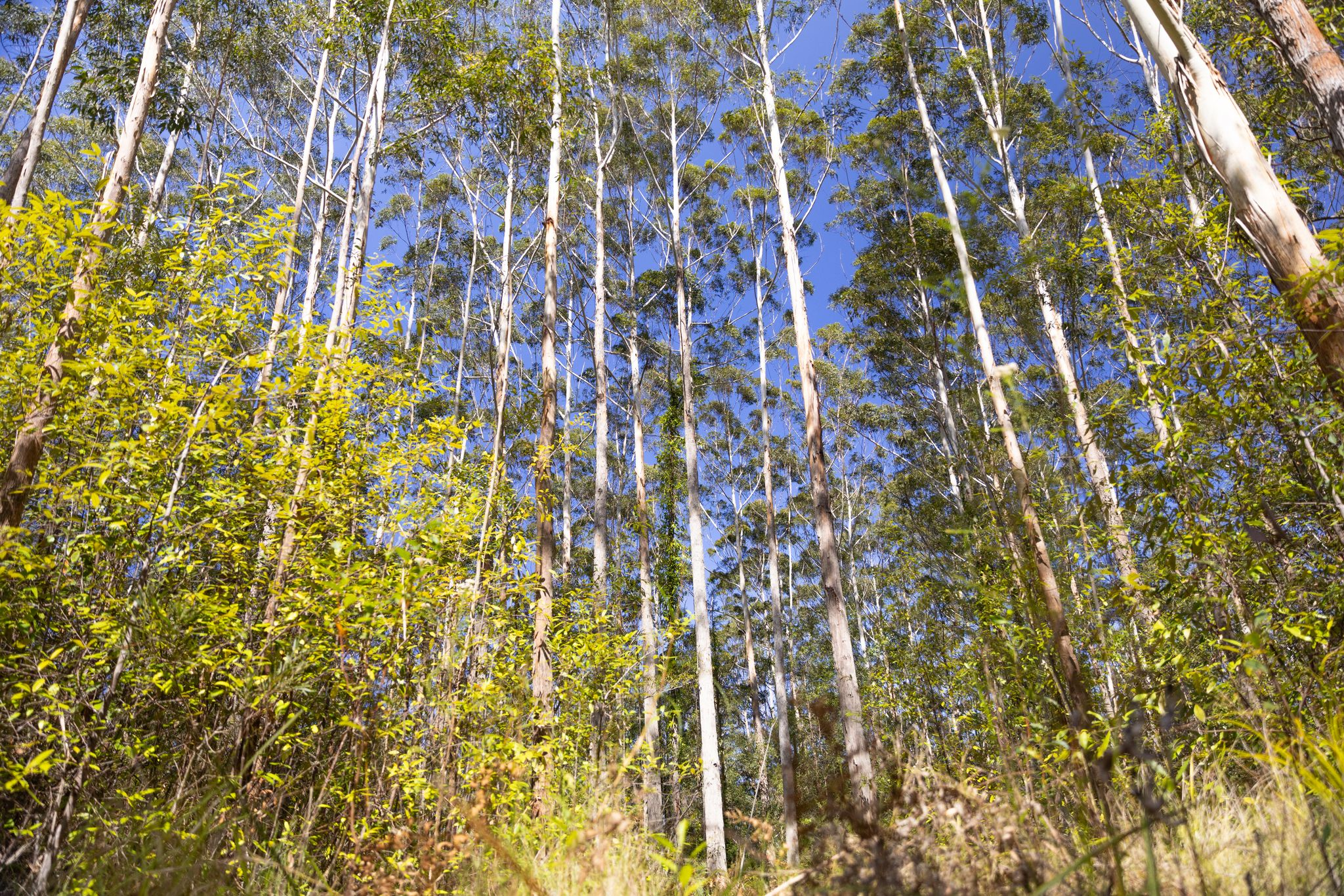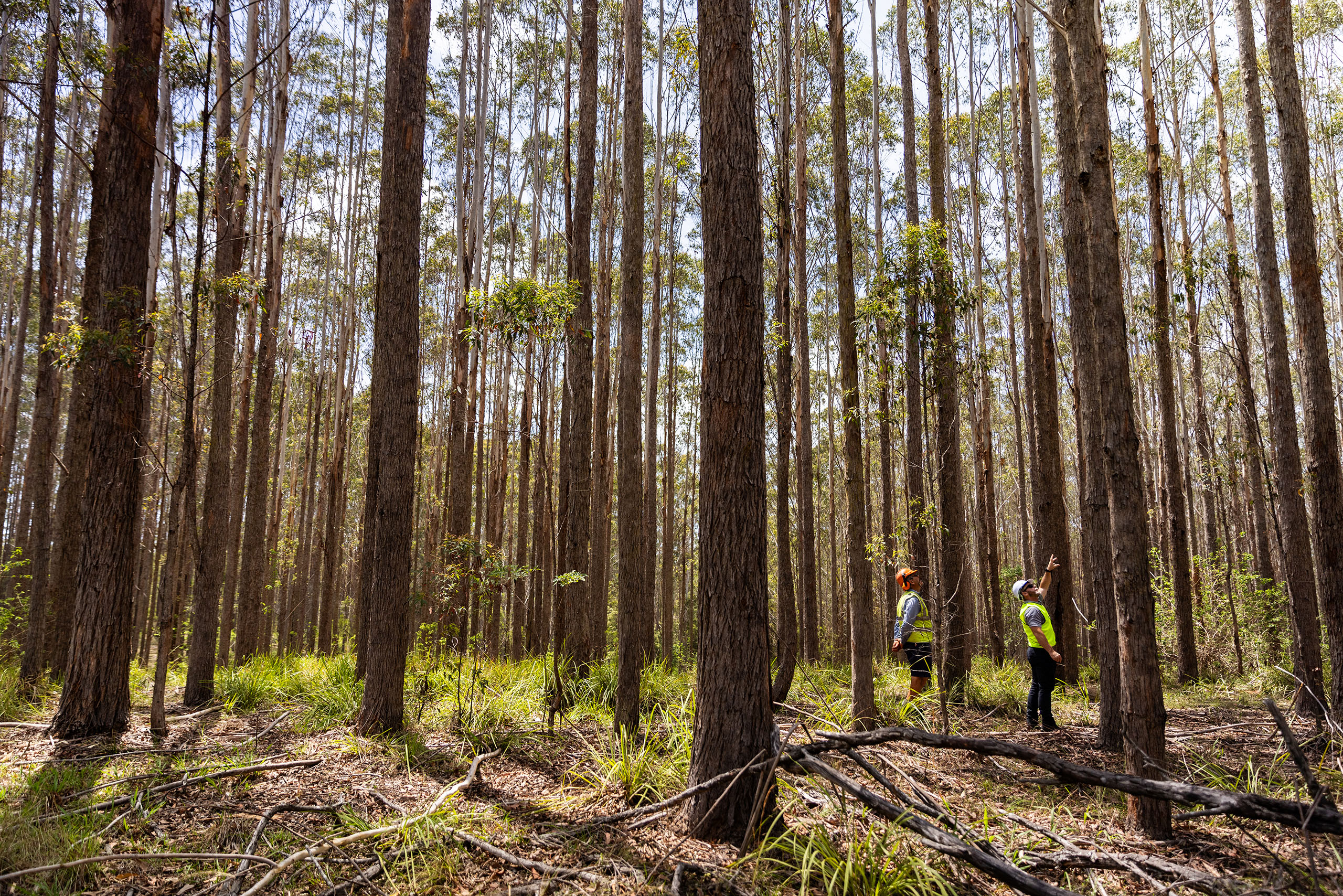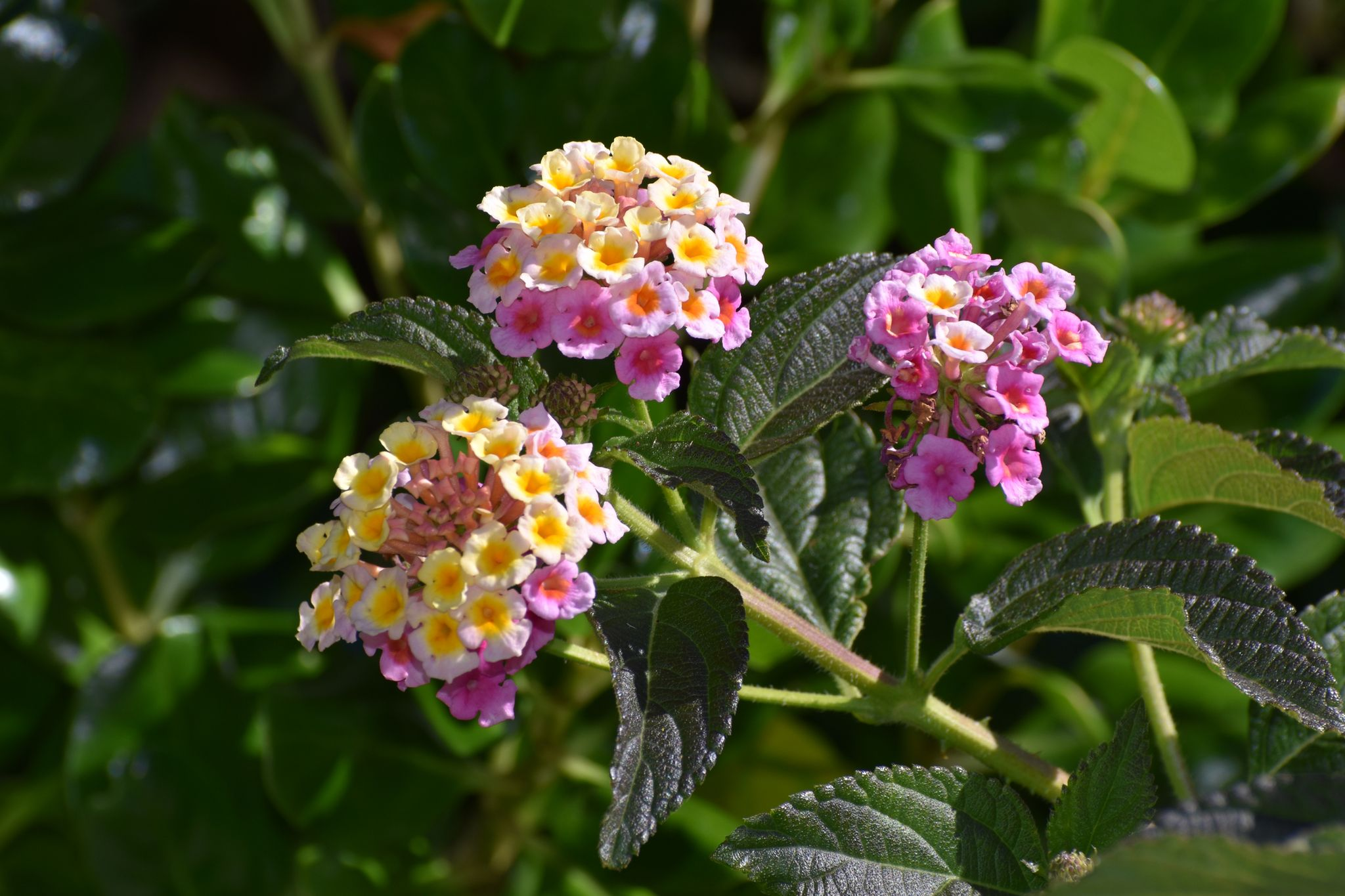
Taking care of your private native forest is an important responsibility for NSW landholders. Beyond being a valuable asset, forests provide vital wildlife habitat, protect soil and water quality, store carbon and support the sustainable production of renewable timber.
Australian native forests are exposed to a range of threats, including bushfire, invasive weeds, pests, diseases, storms and climate extremes. While many of these threats cannot be prevented, invasive weeds are one of the few that landholders can actively manage through early detection, timely control and ongoing monitoring. Left untreated, invasive weeds can devastate native trees, suppress natural regeneration, reduce biodiversity and increase bushfire risk.
By taking a planned, long-term approach to weed management as a part of sustainable forest management, landholders can improve forest health, while protecting the environmental, economic and social values their forests provide for future generations.
Here’s what to look for, how to identify common invasive weeds, and some practical steps you can take to keep your forest healthy.
Why Weed Management Matters
Weeds establish and spread rapidly where extra light reaches the forest floor, particularly along tracks, creek lines, fence lines and canopy gaps. By competing with native vegetation for sunlight, water and nutrients, they can smother established trees and prevent native seedlings from regenerating if left unmanaged.
They also reduce habitat for native wildlife, restrict forest access, increase fuel loads and make forests more difficult to manage. The earlier weeds are identified, the easier and more cost-effective they are to control.
So what should you be looking out for?
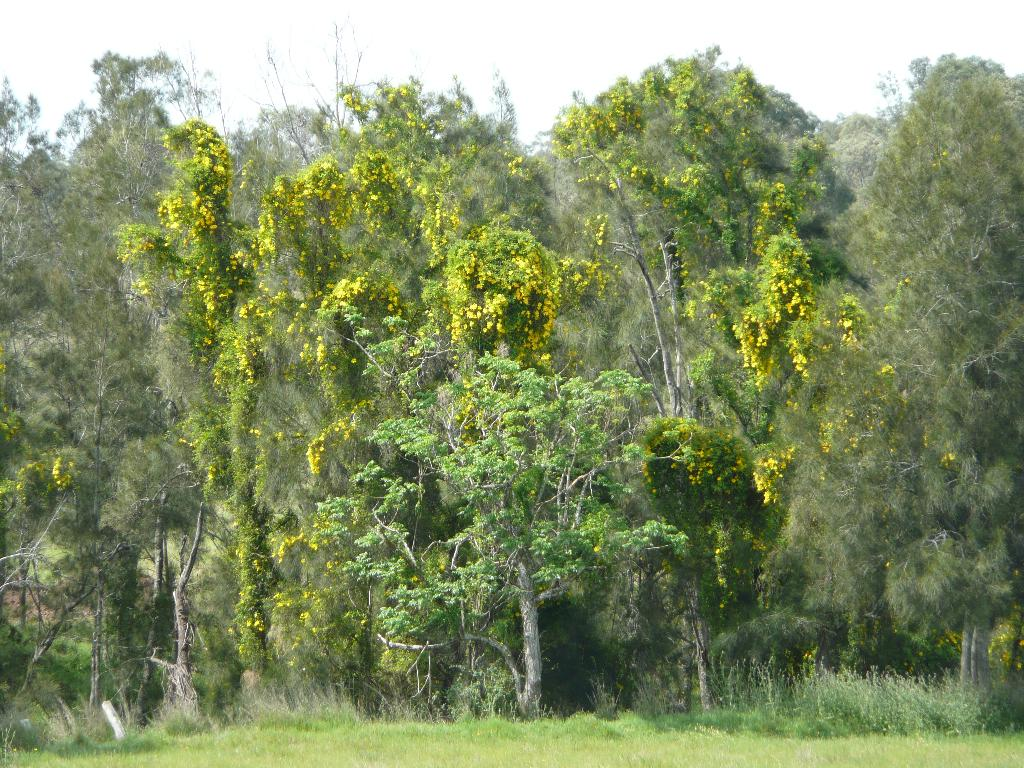
Common Invasive Weeds in Northern NSW
These are some of the most common invasive species we come across in Northern NSW. NSW WeedWise is a great resource to confirm identification and the recommended control method for your location.
Top Five Most Common Invasive Weeds
| Weed | Why it’s a problem | Typical control |
| Lantana | Dense thickets suppress native regeneration and increase fire risk | Cut-and-paint, targeted foliar spray |
| Camphor Laurel | Bird-dispersed tree that shades native vegetation | Stem injection or cut-and-paint |
| Privet | Invades rainforest and wet forests | Hand removal of seedlings, cut-and-paint mature plants |
| Madeira Vine | Smothers trees and regenerates from aerial tubers | Scrape-and-paint with ongoing follow-up |
| Cat’s Claw Creeper | Climbs into canopies and kills mature trees | Scrape-and-paint or cut-and-paint |
Other weeds to watch for include wild tobacco, crofton weed, mistflower, wandering trad and asparagus fern. While their distribution varies across the region, they commonly establish along creek lines, forest edges and other disturbed areas, where they can quickly spread and outcompete native vegetation.
A Simple Five-Step Weed Management Plan
1. Inspect your forest
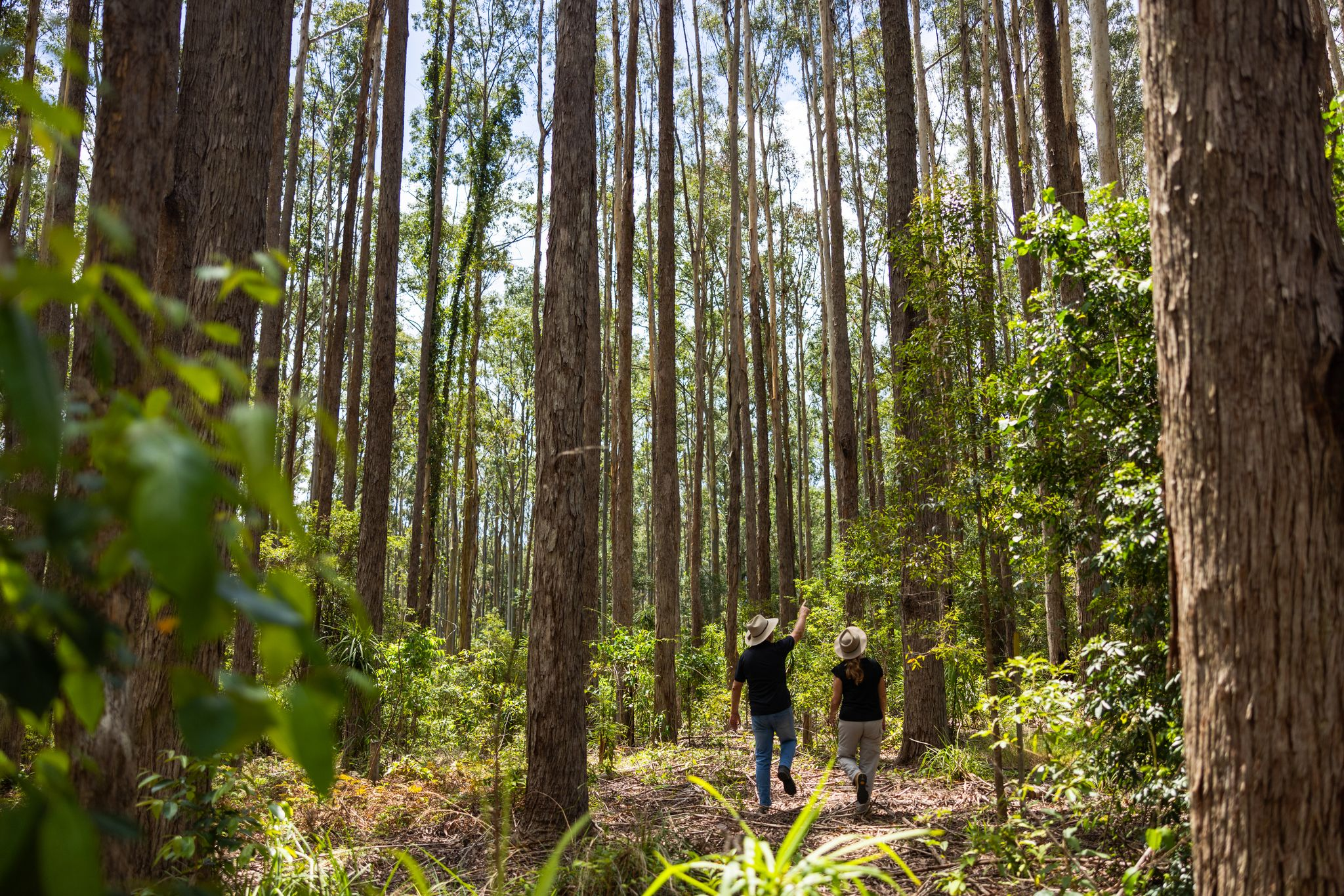
Regularly walk through your forest to inspect for weeds, paying particular attention to creek lines, tracks and access roads, fence lines, forest edges, disturbed soil and old logging tracks, as these are common entry points and spread pathways for invasive weeds.
Keep a simple record of weed locations so you can monitor changes over time
2. Identify before you treat
Not every unfamiliar plant is a weed, so it’s important to identify it correctly before taking action. If you’re unsure, photograph the plant’s leaves, flowers and fruit, compare it with the NSW WeedWise database, or seek advice from Local Land Services or Landcare before taking action.
3. Prioritise high-risk areas
Prioritise weed control efforts by tackling the newest outbreaks, weeds spreading into healthy native forest, seed-producing plants, vines climbing into trees and infestations along creek lines before addressing larger established infestations.
Protecting healthy bushland first helps prevent further spread and delivers the greatest long-term benefit for forest health and regeneration.
4. Choose the right control method
The best control method depends on the weed species and the size of the infestation. Hand removal may be suitable for seedlings and shallow-rooted plants, whereas woody weeds are often best managed using cut-and-paint or stem injection techniques.
Climbing vines such as Madeira vine and cat’s claw creeper are commonly treated using the scrape-and-paint method, and targeted herbicide spraying can be effective for dense groundcovers and regrowth. Always follow herbicide label directions and make sure to take extra care when working near waterways and native vegetation.
5. Follow up
Successful weed management requires ongoing monitoring and follow-up. Reinspect treated areas four to six weeks after treatment, again after three and six months, following significant rainfall, and during each spring and summer growing season.
Regular follow-up allows new seedlings and regrowth to be treated early, preventing small infestations from becoming larger, more costly problems.
How Sustainable Forest Management Helps
Healthy, well-managed forests are generally better able to resist weed invasion and recover from disturbance.
Sustainable forest management improves access for monitoring, encourages native regeneration and helps maintain a balanced forest structure that reduces opportunities for invasive species to establish.
Where harvesting is undertaken under a Private Native Forestry Plan, improved access often provides an opportunity to identify and control weeds as part of ongoing property management. Incorporating weed control before, during and after forestry operations helps support native regeneration and maintain long-term forest health.
Weed management is not a one-off task. It is an ongoing part of responsible land stewardship. By monitoring your property regularly, controlling weeds early and incorporating sustainable forest management practices, you can protect the long-term health, biodiversity and productivity of your private native forest for generations to come.
Get in touch with Siman and the team at Sustainable Forest Management today to arrange a free no-obligation forest assessment. Call on 1800 367 378 or email [email protected]
Read more in our Landholders Guide to Private Native Forestry