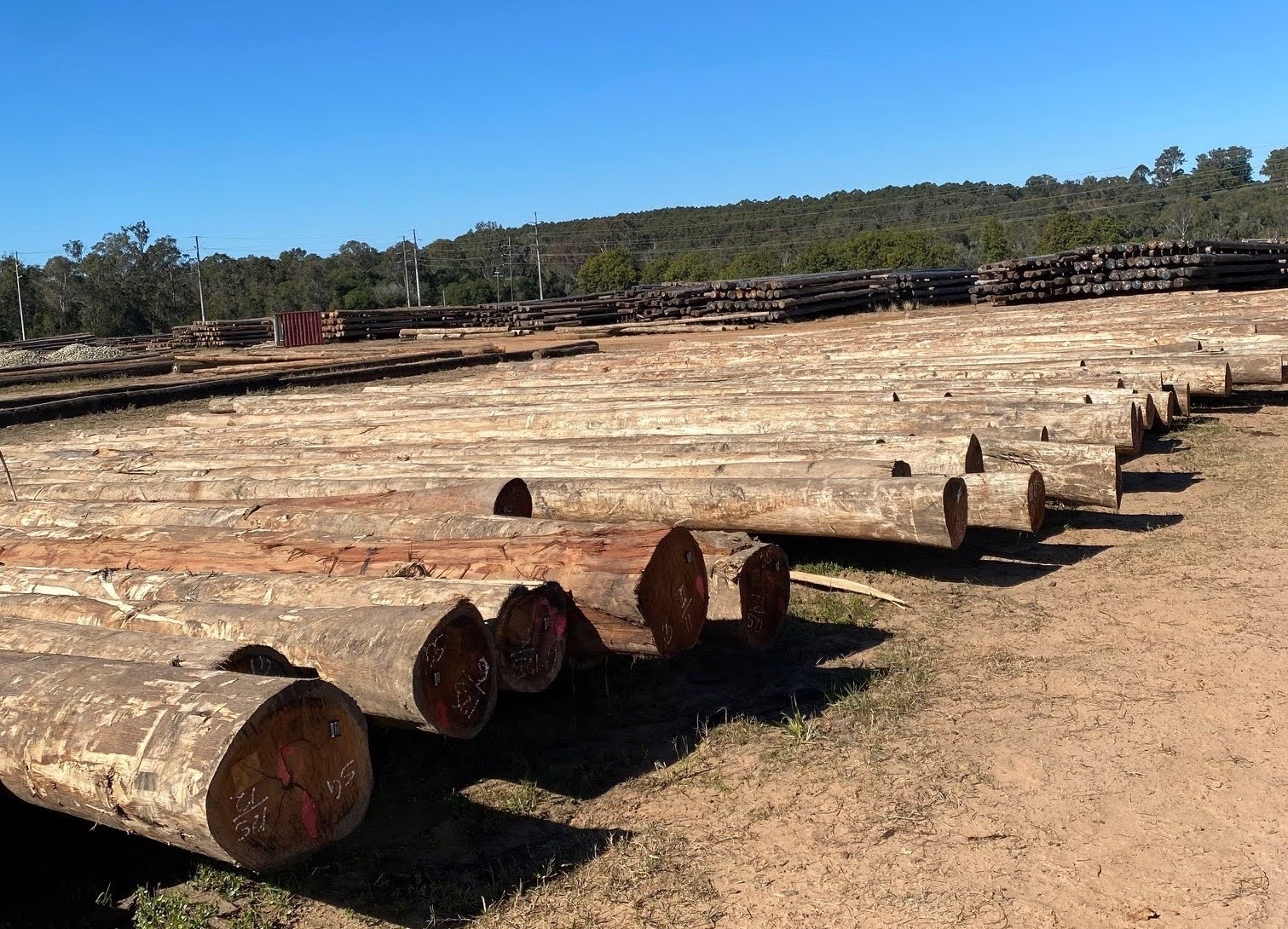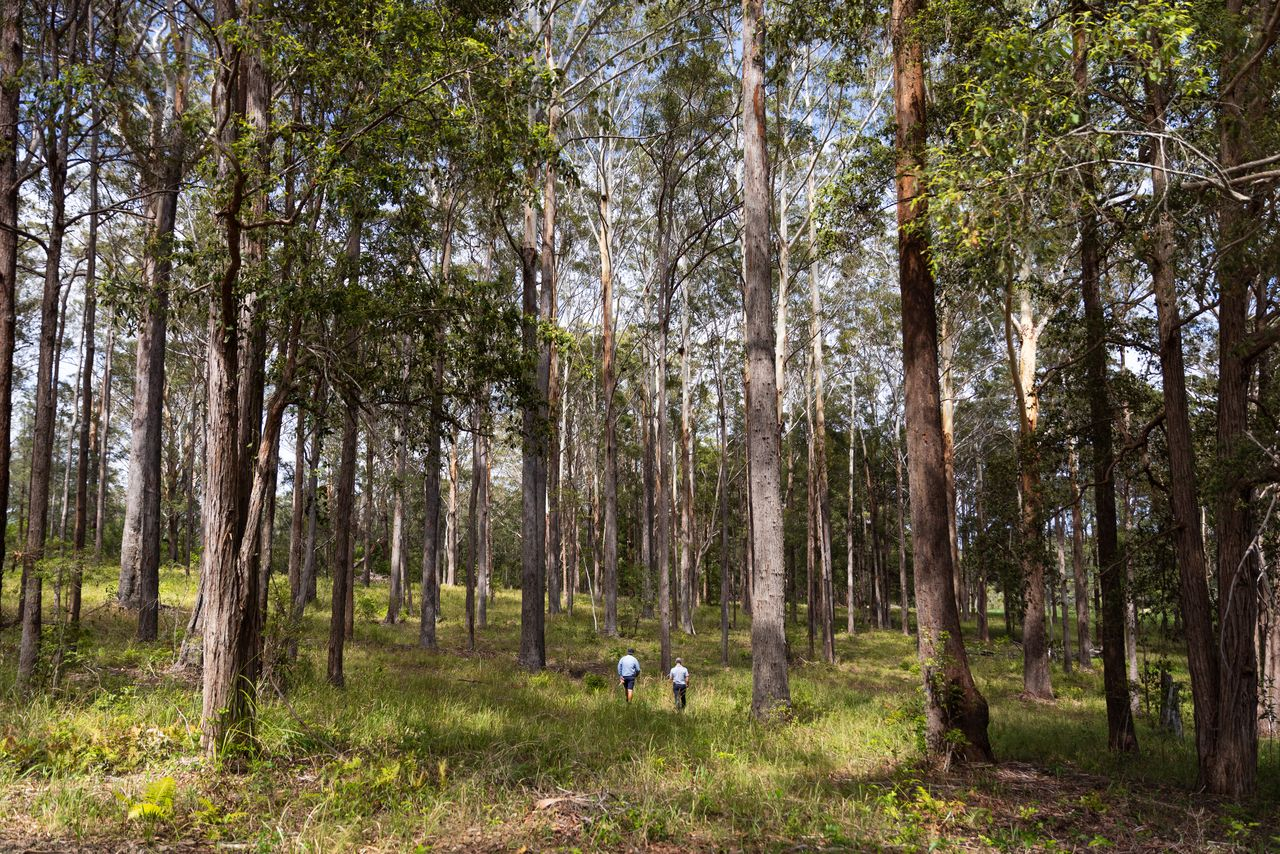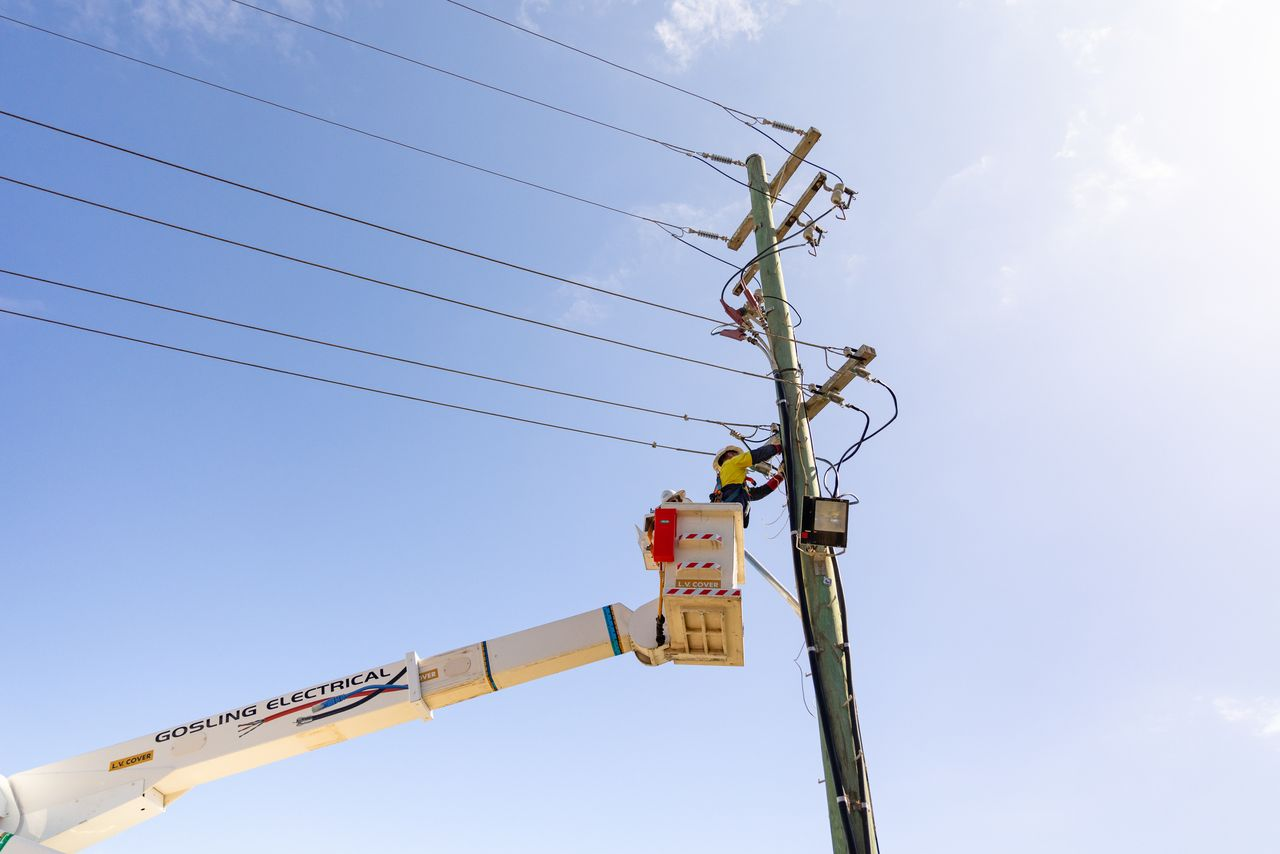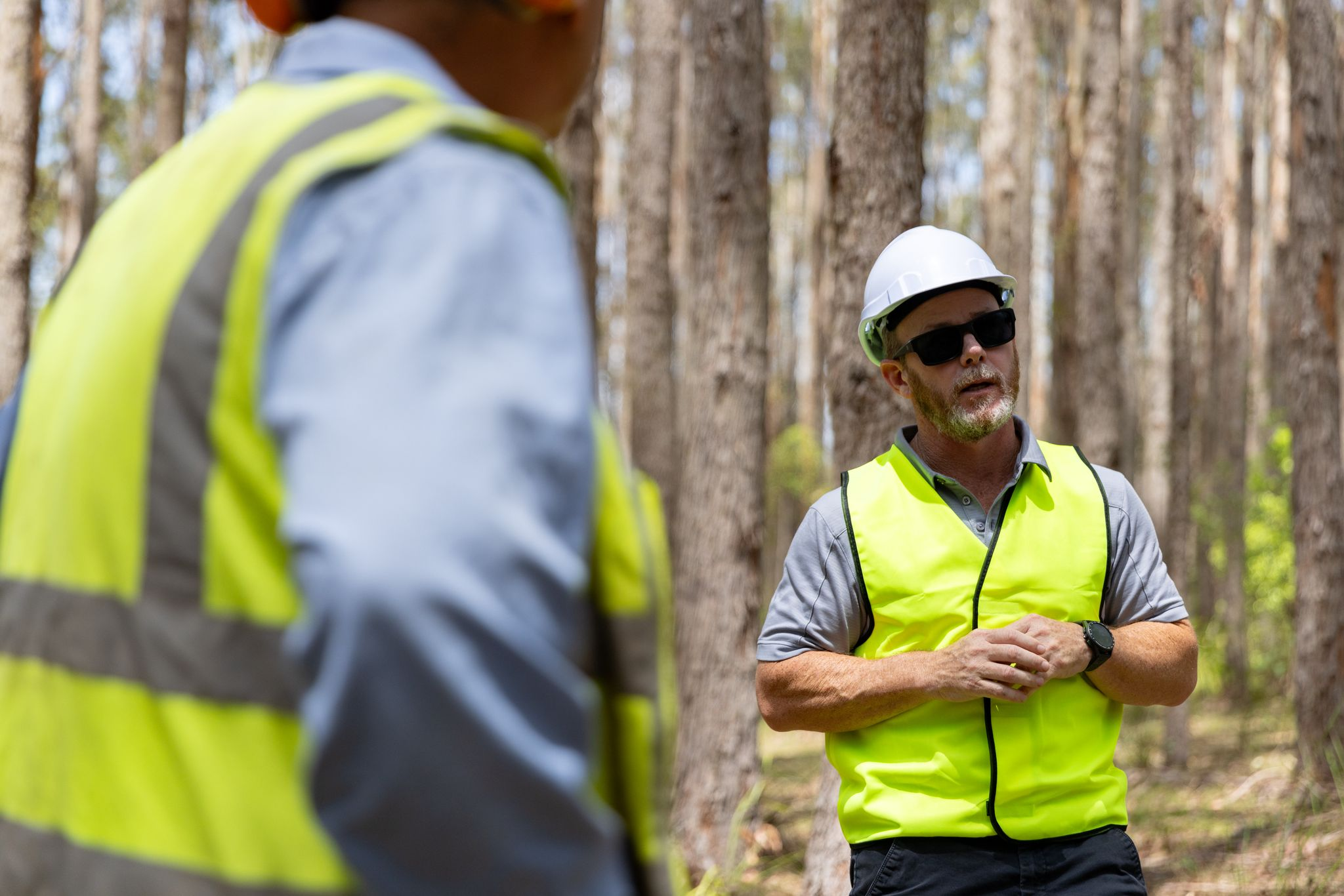
Private Native Forestry (PNF) plays an important role in sustainable land management across NSW, allowing landholders to generate income from timber production while maintaining the long-term health and biodiversity of their native forest.
In Northern NSW, Private Native Forestry operations are primarily governed by the Private Native Forestry Code of Practice for Northern NSW, which sets out the requirements that landholders and operators must follow.
As with many farming activities, this regulatory framework is designed to protect the environment, support responsible harvesting and give landholders the confidence that they can manage their property and their forest well. While the requirements can seem complex at first, landholders do not need to navigate them alone. Sustainable Forest Management has extensive experience managing PNF operations. We understand the approvals, mapping, environmental protections, notifications and operational requirements involved, and we work closely with landholders to make the process clear, practical and well supported, from the first conversation through to the completion of the harvest.
This blog breaks down the key compliance areas that form part of the planning for a harvesting operation, including: the PNF Plan, the Forest Management Plan (FMP), and broader operational compliance requirements.
1. The Foundation: Your PNF Plan
A PNF Plan is the approval that allows forestry activities to occur on private land. Once approved, plans remain valid for 15 years. The PNF Plan establishes the framework under which harvest operations can occur and sets the environmental and operational standards that must be followed.
The PNF Plan includes details on mapped operational areas, environmental protections, exclusion zones, property boundaries, and conditions relating to threatened species, waterways, habitat conservation, and other environmental constraints.
We regularly assist landholders with their PNF Plans, including reviewing property information, helping prepare appropriate documentation and supporting the required record keeping, all through a clear and manageable process.
Key mapping layers we commonly review include Draft Native Vegetation Regulatory (NVR) mapping, waterways, biodiversity values, and other environmental overlays that may affect harvesting activities.
The NSW Planning Portal Spatial Viewer is also a useful tool for landholders and forest managers, providing access to consolidated spatial datasets that help identify potential operational constraints before harvesting begins.
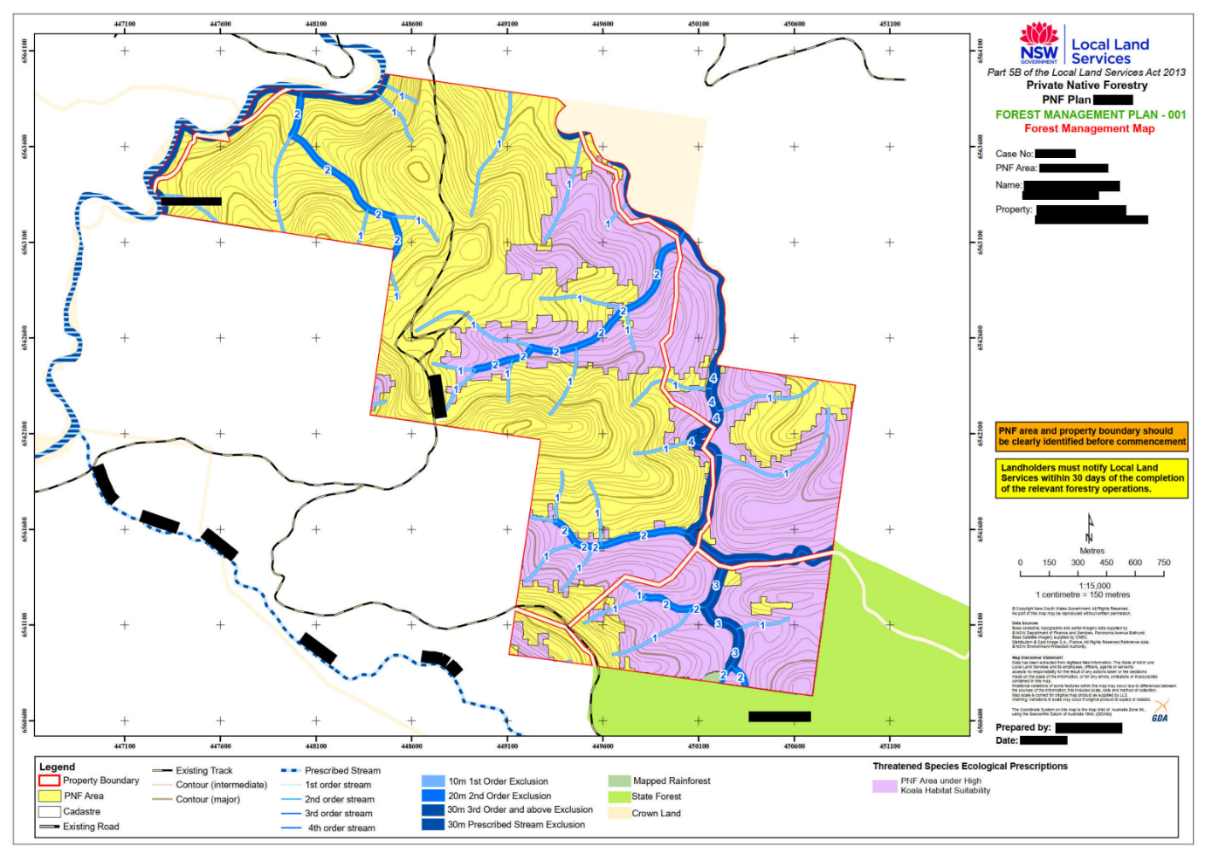
2. Forest Management Plans (FMPs): The Operational Approval
While the PNF Plan provides the overall approval framework, Forest Management Plans (FMPs) are generally the site-specific operational documents that guide individual harvesting activities.
An FMP outlines how a particular harvest operation will be conducted, including harvesting methods, environmental protections, access roads, buffer zones, erosion control pracitces and safety procedures.
A FMP, that aligns with the conditions of the landholder’s PNF Plan and the Private Native Forestry Code of Practice for Northern NSW, is prepared before harvesting begins. Operators are also required to maintain compliance records and submit commencement and completion notifications to Local Land Services (LLS) as part of the operational approval process.
This is where Sustainable Forest Management provides landholders with key support, assisting with FMP preparation, coordinating notifications, maintaining records, and helping ensure operations remain compliant throughout the harvest.

3. Environmental Responsibilities
NSW private landholders undertaking forestry must comply with specific environmental protection regulations. Forestry activities must balance productivity with conservation and comply with both the Private Native Forestry Code of Practice for Northern NSW and the Biodiversity Conservation Act 2016 (NSW), particularly in relation to the protection of:
- Water quality
- Habitat trees
- Threatened species
- Soil stability
- Biodiversity values
These protections are site-specific, which means every property is different. Sustainable Forest Management is experienced in reviewing environmental mapping and planning harvest operations. We use this information to help ensure that harvesting is conducted in a way that is consistent with the Code, respectful of the broader landscape, and aligned with the landholder’s care of their land.
4. Fire Management Obligations
Bushfire management is an important part of any forestry operations in NSW, with fire risks managed in accordance with Private Native Forestry Code of Practice for Northern NSW and the NSW Rural Fire Service. Proactive fire management not only supports compliance, but also helps protect forests, neighbouring properties, and long-term land productivity.
5. Timber Traceability
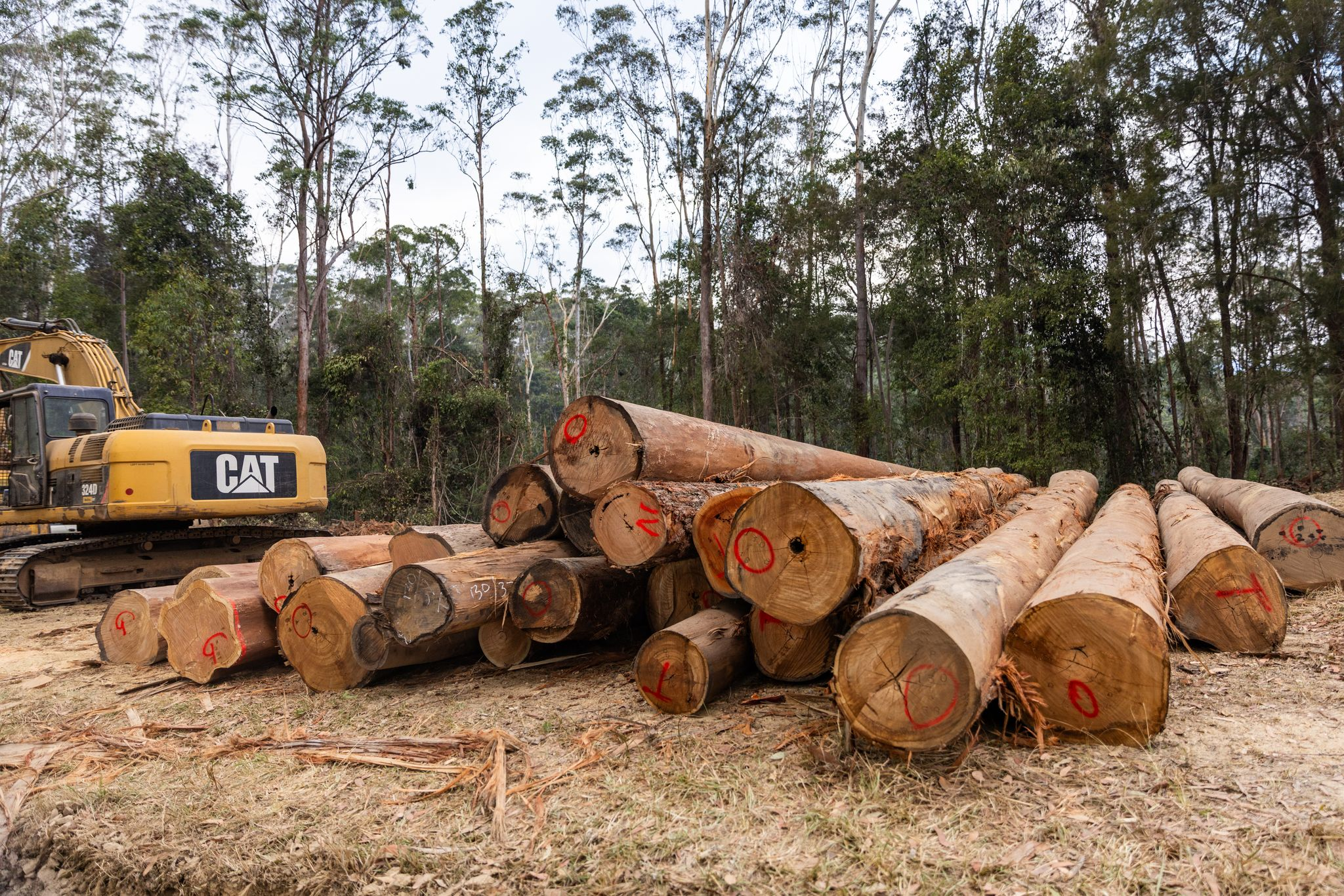
Australia recently introduced stronger requirements for record keeping in relation to timber sourcing, including the Illegal Logging Prohibition Laws 2024 that requires businesses involved in timber harvesting, processing, importing and exporting keep strict records as to where that timber has been legally sourced.
This relies on maintaining clear traceability records throughout the supply chain, including harvest approvals and locations, transport records, sales documentation, and chain-of-custody information.
6. Heavy Vehicle and Transport Compliance
Forestry operations rely heavily on transport logistics, making heavy vehicle compliance another important area of responsibility. Operators and contractors must ensure vehicles comply with road transport laws, load limits, fatigue management requirements, and route restrictions.
Why Compliance Matters
Responsible forestry operations help ensure that harvesting is safe, accountable and well organised. In Private Native Forestry, good compliance protects landholders, contractors, communities, and the environment while supporting the long-term sustainability of the forestry industry and good land stewardship.
Sustainable Forest Management is experienced in coordinating all aspects of PNF operations for private landholders, from basic environmental assessments, documentation requirements, harvest oversight and completion, all the way through to sawmill processing. We support landholders at every stage and make it a straightforward and positive process for all.
Final Thoughts
Private Native Forestry in Northern NSW is regulated for good reason – to ensure that timber harvesting is carried out responsibly while protecting the environmental values that make native forests so important.
For landholders, the message is reassuring. You do not need to manage the process alone. Working with an experienced organisation like Sustainable Forest Management, the requirements can be understood, planned for and managed with confidence.
To chat with SFM about a potential harvest of your private native forest, simply call 1300 367 378 today.
For the latest regulatory information, visit https://www.nsw.gov.au/regional-and-primary-industries/forestry-nsw/farm-forestry