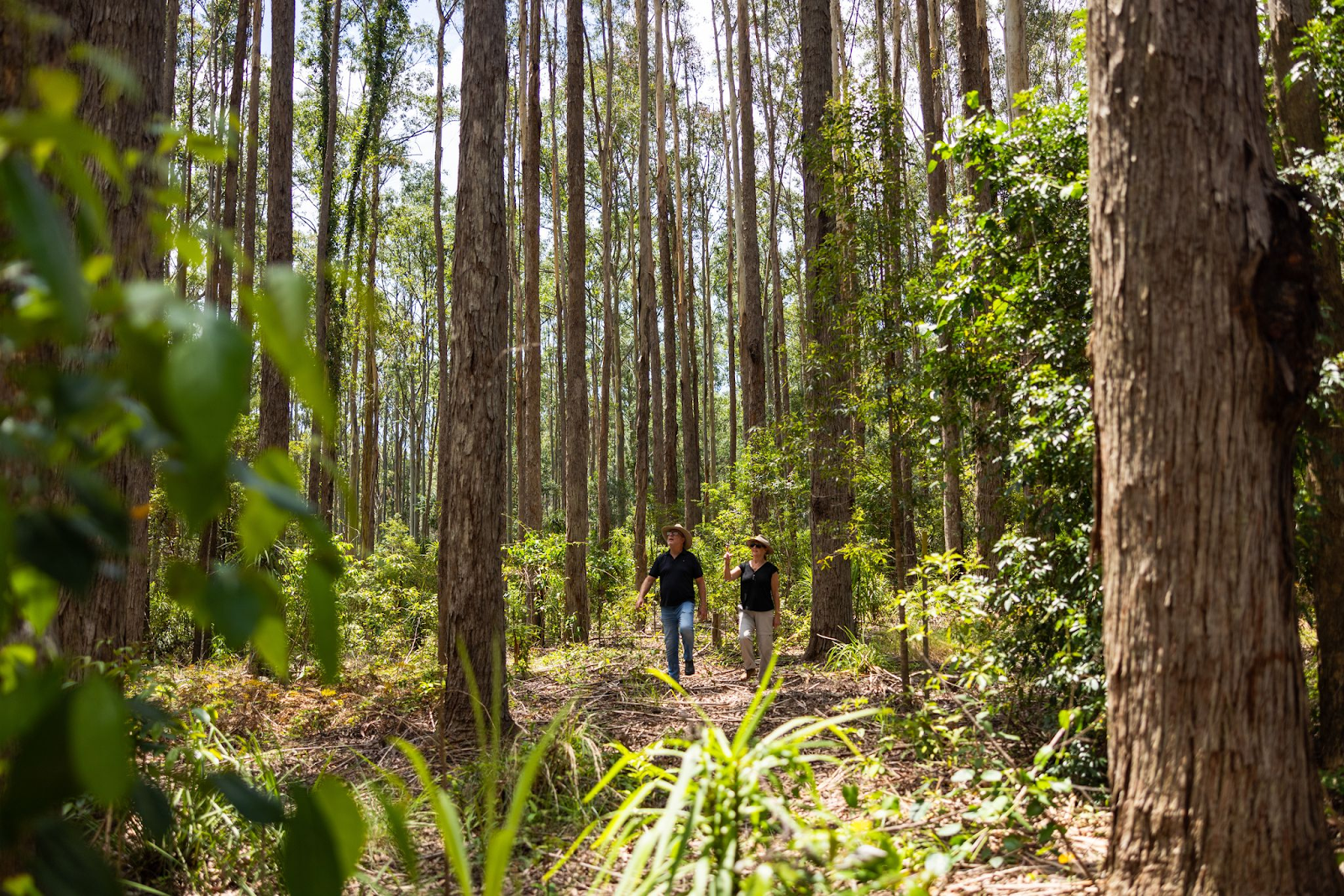
If you work in forestry, you quickly learn that it is a long-term profession. The decisions made today are often based on knowledge built over many years, and their outcomes may not be seen for decades. Forestry has always relied on experience, observation, and a willingness to learn from the past while adapting to change.
Across Australia, forestry knowledge has been passed down through generations, refined through research, and strengthened through hands-on experience. While tools, technology, and expectations continue to evolve, the core aim remains the same: to care for forests in ways that are productive, sustainable, and responsible over the long term.
It is in this broader context that recent attention on professional development across the forestry sector is important. Initiatives from Forestry Australia such as their Professional Development Program reflect a wider recognition that learning does not stop at qualification or experience alone. Instead, forestry is a career where skills, knowledge, and judgement continue to grow over time.
What does this mean for forest managers, landowners, and the wider sector?
Sustainable forest management depends on people who are willing to keep learning.
Forests are living systems that change over time. Managing them well requires decisions that balance environmental health, economic returns, fire risk, and community expectations. This means combining technical knowledge with practical experience, local understanding, and clear communication.
Landowners often rely on forestry professionals and operators for advice on harvesting, regeneration, fire planning, road construction, and conservation. The quality of that advice directly affects forest condition, safety, productivity, and long-term land value. Ongoing training helps ensure that decisions made today remain appropriate as conditions change in the future.
Professional development across the forestry workforce
Professional development in forestry takes many forms and occurs at all levels of the sector.
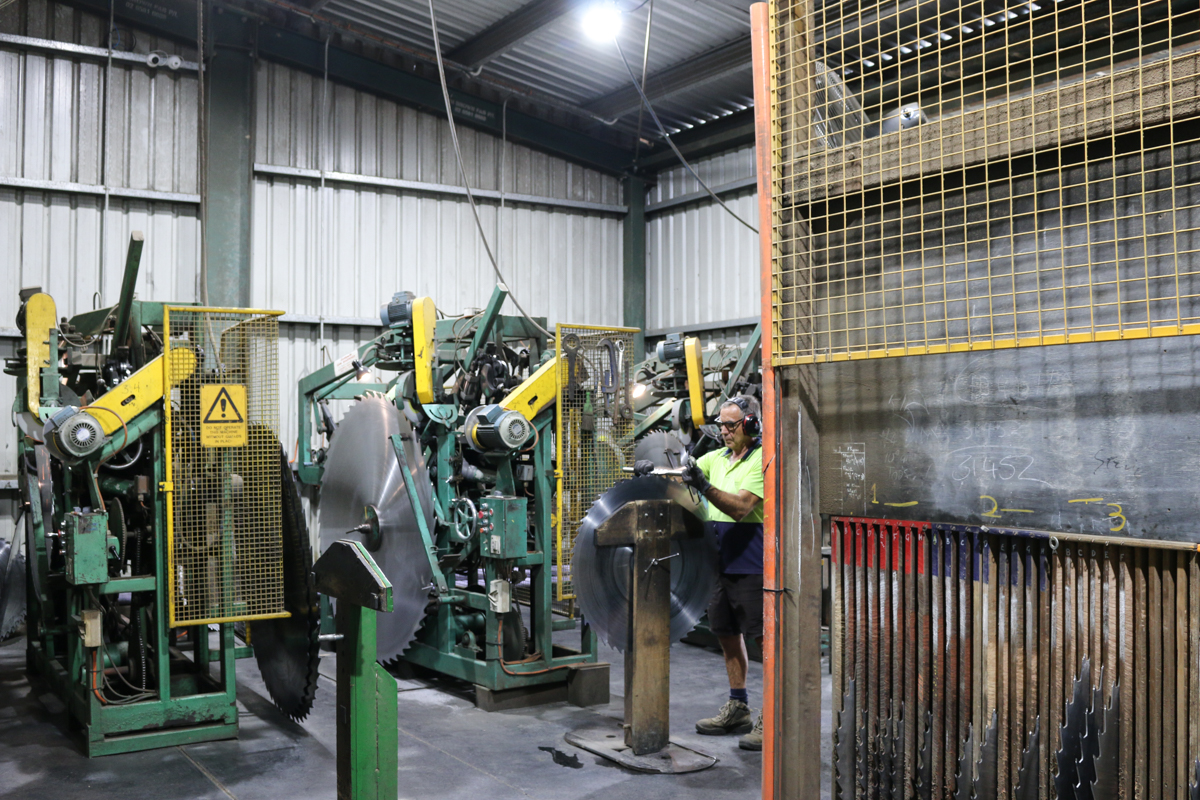
For some, this includes university education, research, and structured professional programs. For others, it begins with apprenticeships and vocational training. Across Australia, forestry relies on skilled workers who complete apprenticeships as saw technicians, machine operators, and forest workers, as well as those undertaking Certificate II, III and IV qualifications in areas such as forest operations, land management, conservation, and firefighting.
Training in machine operation, harvesting systems, fire response, and workplace safety plays a critical role in maintaining safe, efficient, and environmentally responsible operations. These practical pathways are just as important as formal professional development programs and form the backbone of day-to-day forestry work.
Together, these learning pathways help ensure that forestry knowledge is shared, refreshed, and strengthened across generations.

Why ongoing learning matters
Forestry does not stand still. Climate conditions are changing, fire risk is increasing, and community expectations around land management continue to evolve. Ongoing training helps forest professionals, operators, and landowners respond to these challenges with confidence.
Professional development supports safer forest operations, better environmental outcomes, reduced risk for landowners, and clearer communication with communities and regulators.
Supporting forest landholders and future generations
At Sustainable Forest Management, we see forestry as a shared responsibility between landowners, professionals, operators, and communities. Forests support biodiversity, water resources, climate regulation, and rural livelihoods, and they require care that looks well beyond short-term outcomes.
That is why education and training matter so much. Whether it is improving regeneration after harvest, building fire resilience, or helping landowners understand their options, knowledge gives people the confidence to make better decisions.
In Summary
Forestry has always been about thinking long term. It is a profession built on experience, learning, and respect for time. From apprenticeships and vocational training to professional development programs and research, ongoing education helps ensure that Australia’s forests are managed responsibly today and into the future.
At Sustainable Forest Management, we support this approach through sharing knowledge, offering free forest assessments, and educational initiatives such as our emails series and a soon-to-be-released children’s book. By valuing both the knowledge built over generations and the skills needed for the future, we can continue caring for forests in ways that benefit communities, landscapes, and generations to come.
Book your FREE forest assessment today – call Siman and the team on 1300 367 378
Download your copy of the Ultimate Private Native Forestry Guide for Landowners
Check out our latest infographic and learn How to Identify a Healthy Forest.